Love this? Save it for later!
Share the inspiration with your friends
Introduction
“I wasn’t expecting to become obsessed with veggie trays, but there I was, standing in my apartment kitchen with a half-sliced cucumber and a mess of colorful peppers scattered everywhere,” my friend Lisa laughed as she recounted the story. It happened on a random Friday evening when she was supposed to bring something quick and light to a last-minute potluck. She had zero plans for fancy presentation—just grab some veggies, toss them on a platter, done. But what started as a rushed attempt turned into a surprisingly delightful experiment in simplicity and freshness.
You know that feeling when you want something healthy but also crave a little fun on the table? Lisa’s fresh simple veggie tray wasn’t just about tossing carrots and celery on a plate. It became a little canvas—vibrant greens, oranges, reds, and purples arranged with a purpose, making people reach for those veggies first instead of the usual chips. Honestly, there was a moment when she realized that a veggie tray doesn’t have to be boring or complicated to steal the spotlight at any gathering.
Maybe you’ve been there, too—scrambling to put together a snack that’s both wholesome and visually inviting. This recipe and those easy arrangement tips grew from that very moment of “let me just try this,” and it stuck around because it’s quick, fresh, and somehow feels special even when it’s just veggies. I mean, who knew carrots and cherry tomatoes could look that good? Let me tell you, once you nail the layout, it’s hard not to get a little proud of your veggie tray game.
Why You’ll Love This Recipe
After testing countless veggie combinations and arrangements, I can honestly say this fresh simple veggie tray recipe is a game-changer. It’s not just a collection of sliced vegetables—it’s a celebration of color, texture, and flavor that invites everyone to snack guilt-free.
- Quick & Easy: Comes together in under 20 minutes, perfect for those last-minute get-togethers or weekday cravings.
- Simple Ingredients: No need for fancy produce or specialty stores; most veggies are pantry staples or easy to find at any market.
- Perfect for Any Occasion: Whether it’s a casual brunch, family potluck, or game day, this veggie tray fits right in.
- Crowd-Pleaser: Kids and adults alike tend to reach for these colorful bites first—yes, even picky eaters.
- Unbelievably Delicious: Crisp, fresh, and perfectly balanced with a dip or on its own—it’s surprisingly satisfying.
This isn’t just another veggie tray; it’s thoughtfully arranged so that each veggie plays up its best side. From layering textures to mixing colors, the simple tips here turn a humble plate into a centerpiece. I’ve found that once you master the arrangement, people honestly ask if you spent hours prepping. Nope—just a little know-how and a good eye.
So, if you want a veggie tray that’s both fuss-free and crowd-pleasing, this recipe is your new best friend for easy entertaining.
What Ingredients You Will Need
This fresh simple veggie tray recipe uses straightforward, wholesome veggies that bring a satisfying crunch and bright colors to your table. Most of these are staples you probably have on hand or can easily grab at any grocery store.
- Carrots: Baby carrots or peeled and sliced large carrots (adds sweetness and crunch)
- Celery stalks: Washed and cut into sticks (classic crisp texture)
- Cherry tomatoes: Halved or whole, depending on size (burst of juicy flavor)
- Cucumber: Sliced into rounds or sticks (cool and refreshing; I prefer English cucumbers for fewer seeds)
- Red bell pepper: Seeded and sliced into thin strips (adds vibrant color and sweetness)
- Yellow bell pepper: Same prep as red (for color contrast)
- Broccoli florets: Small bite-sized pieces (adds a slightly earthy crunch)
- Snap peas or sugar snap peas: Whole, trimmed (sweet and crisp)
- Radishes: Sliced thinly (peppery bite and beautiful round shapes)
- Optional extras: Celery root sticks, jicama slices, or zucchini ribbons for variety
For dipping, I usually go with a simple ranch dip or hummus, but you can get creative with a tangy yogurt-based dip or a zesty herb dressing. I recommend brands like Sabra for hummus or making a quick homemade ranch with sour cream and fresh herbs.
Seasonal tip: In summer, swapping in fresh snap peas or adding colorful heirloom cherry tomatoes can make the tray feel even more vibrant and fresh.
Equipment Needed
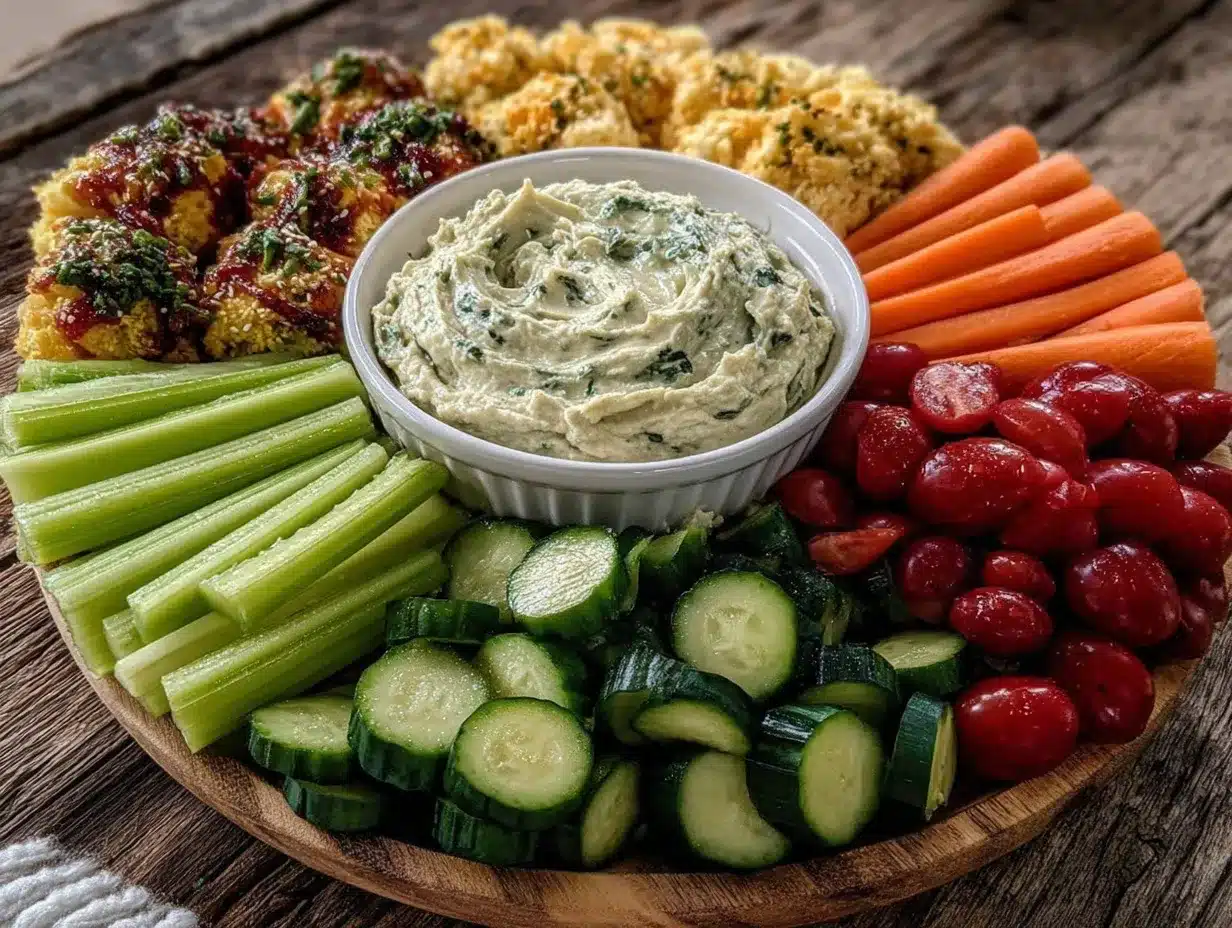
Putting together this fresh simple veggie tray doesn’t require anything fancy, but having a few tools handy will make the process smoother.
- Sharp chef’s knife: Essential for clean, even slicing—trust me, dull knives make a mess.
- Cutting board: Preferably a large one to handle all those veggies comfortably.
- Vegetable peeler: Optional but helpful for peeling carrots or creating ribbons with zucchini.
- Serving platter or tray: A large, shallow tray works best so everything is visible and easy to grab.
- Small bowls: For dips or separating tiny veggies like cherry tomatoes.
If you don’t have a big platter, a rimmed baking sheet lined with parchment paper can be a budget-friendly alternative. I’ve used everything from wooden cutting boards to colorful ceramic trays depending on the occasion. Just make sure the surface is clean and flat enough to hold your veggie arrangement securely.
Preparation Method
- Wash and dry all vegetables thoroughly. This step is crucial—wet veggies can make your tray soggy and unappetizing. Use a salad spinner or pat dry with paper towels. (5 minutes)
- Prep carrots and celery: If using large carrots, peel and slice into sticks about 3 inches long and ¼ inch thick. Trim celery stalks and cut into similar-sized sticks. Uniform size helps with bite-sized consistency. (5 minutes)
- Slice cucumbers: For sticks, cut lengthwise into quarters; for rounds, slice into ¼-inch thick circles. English cucumbers are great for fewer seeds and less bitterness. (3 minutes)
- Prepare bell peppers: Remove seeds and membranes, then slice into thin strips about 3 inches long. Aim for uniformity so they look neat on the tray. (3 minutes)
- Break broccoli into bite-sized florets. If stems are thick, peel or slice thinly so they’re easy to eat. (2 minutes)
- Trim snap peas: Remove the tough stem ends but keep the pods whole for that satisfying snap. (2 minutes)
- Slice radishes thinly: Thin slices add a pop of color and a peppery crunch without overwhelming the tray. (2 minutes)
- Arrange veggies on your serving platter. Start by grouping veggies in small clusters or rows; don’t overcrowd them. Leave some space for the dip bowl(s). Visual balance is key—alternate colors and textures side by side. (5-10 minutes)
- Add dips in small bowls: Place ranch, hummus, or any preferred dip in the center or corners for easy access. (1 minute)
- Final touch: Garnish with fresh herbs like parsley or dill if you like, or sprinkle a pinch of sea salt over cucumbers for extra flavor. (1 minute)
Pro tip: If you want to prep in advance, chop and store veggies in airtight containers or zip bags with paper towels to absorb moisture. Assemble the tray just before serving to keep everything crisp.
Cooking Tips & Techniques
Even though this recipe is all about fresh veggies, a few small techniques make a big difference in the final tray’s appeal.
- Keep it crisp: Always dry your veggies well after washing to avoid sogginess. If you have time, soak carrots and celery in ice water for 10 minutes beforehand to boost crunch.
- Uniform cuts: Try to keep your veggie sticks and slices roughly the same size. It just looks better and makes eating easier.
- Color placement: Spread out colors rather than clumping similar veggies together. This makes the tray pop visually and invites more sampling.
- Layer textures: Mix crunchy (carrots, radishes) with softer or juicy (cherry tomatoes, cucumbers) to keep the eating experience interesting.
- Don’t overcrowd: Give each veggie some breathing room so it doesn’t look like a jumble. You want it to feel inviting, not messy.
- Freshness timing: Chop and arrange as close to serving time as possible. If prepping early, keep everything refrigerated and assemble at the last minute.
From personal experience, I once tried arranging the whole tray the day before, and some veggies lost their snap by the next afternoon. Lesson learned! Also, tossing a little lemon juice on cucumber slices can prevent browning and add brightness. Simple tweaks like these make a surprisingly big impact.
Variations & Adaptations
There’s plenty of room to customize this fresh simple veggie tray to fit your taste, diet, or occasion.
- Seasonal Swap: In fall or winter, try swapping snap peas for blanched green beans or roasted baby beets for a heartier feel.
- Dietary Adaptations: For low-carb or keto diets, load up on celery, cucumber, and peppers while skipping sweeter options like carrots.
- Flavor Boost: Add marinated artichoke hearts, olives, or pickled vegetables for a tangy twist that pairs beautifully with fresh veggies.
- Cooking Method: Lightly blanch tougher veggies like broccoli or green beans if you want them softer but still vibrant.
- Personal Favorite: I love adding thin ribbons of roasted red pepper or grilled zucchini to mix in some smokiness and depth—people always ask what’s different about my tray.
Serving & Storage Suggestions
Serve your fresh simple veggie tray chilled or at room temperature. I find that letting the tray sit out for about 10 minutes before guests arrive takes the chill off and softens the flavors just a touch.
Pair it with hearty dips like ranch, hummus, or a creamy avocado dip for contrast. It also goes great alongside dishes like crispy garlic chicken or a light pasta salad for a balanced spread.
To store leftovers, cover the veggie tray tightly with plastic wrap or transfer veggies to airtight containers and refrigerate. Most veggies stay fresh for 2-3 days, but dipping sauces should be stored separately to avoid sogginess.
When reheating (if you’ve blanched anything), a quick steam or microwave zap for about 20 seconds revives the warmth without overcooking. Keep in mind, fresh raw veggies are best enjoyed cold or at room temp for crispness.
Nutritional Information & Benefits
This fresh simple veggie tray is naturally low in calories and packed with fiber, vitamins, and antioxidants. Veggies like carrots provide beta-carotene for eye health, while broccoli offers vitamin C and calcium.
Because it’s gluten-free, dairy-free (unless you add cream-based dips), and adaptable for low-carb diets, it suits a wide range of dietary needs. Plus, the high fiber content helps with digestion and keeps you feeling full longer.
Personally, I appreciate having a go-to snack that’s fresh, wholesome, and doesn’t leave me feeling weighed down—perfect for balancing out indulgent meals or busy days.
Conclusion
So there you have it—a fresh simple veggie tray recipe that’s easy to throw together, looks great, and tastes even better. It’s proof that healthy snacks don’t have to be boring or complicated.
Feel free to tailor the veggie lineup or dip choices to what you love most. I love how this recipe invites a little creativity while keeping things straightforward and accessible.
Honestly, this tray has saved me more than once when I needed a quick snack or something to bring along that everyone appreciates. Give it a try, and let me know how your arrangement turns out—I’d love to hear your favorite tips or veggie combos!
Happy snacking!
FAQs
How long can I prepare the veggie tray in advance?
You can prep and chop veggies up to 24 hours ahead, but it’s best to assemble the tray just before serving to keep everything fresh and crisp.
What are some good dip options to serve with this veggie tray?
Classic ranch, hummus, tzatziki, or a yogurt-based herb dip all work wonderfully and complement the fresh flavors.
Can I use frozen vegetables for this recipe?
It’s best to use fresh vegetables for crunch and appearance. Frozen veggies tend to be softer and can get soggy when thawed.
How do I keep cut veggies from drying out?
Store cut veggies in airtight containers with a damp paper towel to maintain moisture. Refrigerate until ready to serve.
What’s the best way to make the tray look more appealing?
Use a variety of colors and shapes, arrange veggies in small clusters or patterns, and leave some space between groups for a neat, inviting look.
Pin This Recipe!
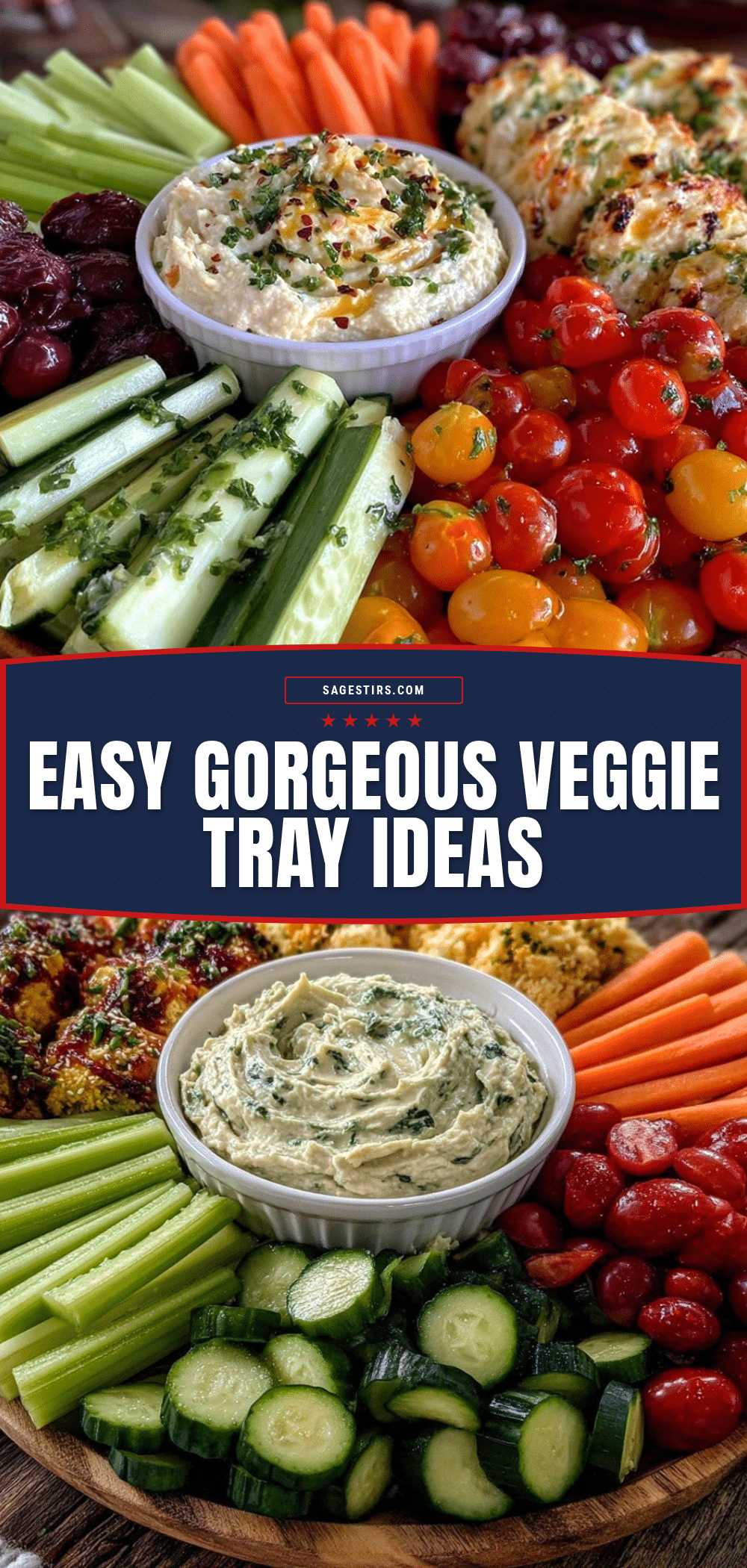
Fresh Simple Veggie Tray Recipe with 5 Easy Arrangement Tips
A quick and easy veggie tray recipe featuring a colorful assortment of fresh vegetables arranged beautifully for any occasion. Perfect for healthy snacking and crowd-pleasing presentations.
- Prep Time: 20 minutes
- Cook Time: 0 minutes
- Total Time: 20 minutes
- Yield: 6-8 servings
- Category: Appetizer
- Cuisine: American
Ingredients
- Baby carrots or peeled and sliced large carrots
- Celery stalks, washed and cut into sticks
- Cherry tomatoes, halved or whole
- Cucumber, sliced into rounds or sticks (English cucumbers preferred)
- Red bell pepper, seeded and sliced into thin strips
- Yellow bell pepper, seeded and sliced into thin strips
- Broccoli florets, bite-sized pieces
- Snap peas or sugar snap peas, whole and trimmed
- Radishes, sliced thinly
- Optional extras: celery root sticks, jicama slices, or zucchini ribbons
- Dips such as ranch, hummus, yogurt-based herb dip, or tzatziki
Instructions
- Wash and dry all vegetables thoroughly using a salad spinner or paper towels to avoid sogginess. (5 minutes)
- Prep carrots and celery: peel and slice large carrots into sticks about 3 inches long and 1/4 inch thick; trim celery stalks and cut into similar-sized sticks. (5 minutes)
- Slice cucumbers into sticks by cutting lengthwise into quarters or into 1/4-inch thick rounds. (3 minutes)
- Prepare bell peppers by removing seeds and membranes, then slicing into thin strips about 3 inches long. (3 minutes)
- Break broccoli into bite-sized florets; peel or slice thick stems thinly if needed. (2 minutes)
- Trim snap peas by removing tough stem ends but keep pods whole. (2 minutes)
- Slice radishes thinly for a peppery crunch and visual appeal. (2 minutes)
- Arrange veggies on a serving platter in small clusters or rows, alternating colors and textures, leaving space for dip bowls. (5-10 minutes)
- Add dips in small bowls placed in the center or corners of the tray for easy access. (1 minute)
- Garnish with fresh herbs like parsley or dill, or sprinkle a pinch of sea salt over cucumbers for extra flavor. (1 minute)
Notes
Dry veggies thoroughly to avoid sogginess. Soaking carrots and celery in ice water for 10 minutes can boost crunch. Arrange veggies with color and texture contrast for visual appeal. Prepare veggies up to 24 hours ahead but assemble just before serving. Store cut veggies in airtight containers with damp paper towels to maintain freshness.
Nutrition
- Serving Size: Approximately 1 cup
- Calories: 50
- Sugar: 6
- Sodium: 50
- Fat: 0.2
- Carbohydrates: 11
- Fiber: 3
- Protein: 2
Keywords: veggie tray, vegetable platter, healthy snack, party appetizer, easy veggie tray, fresh vegetables, colorful veggie tray