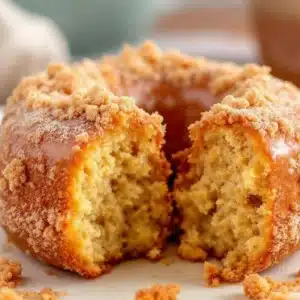
Love this? Save it for later!
Share the inspiration with your friends
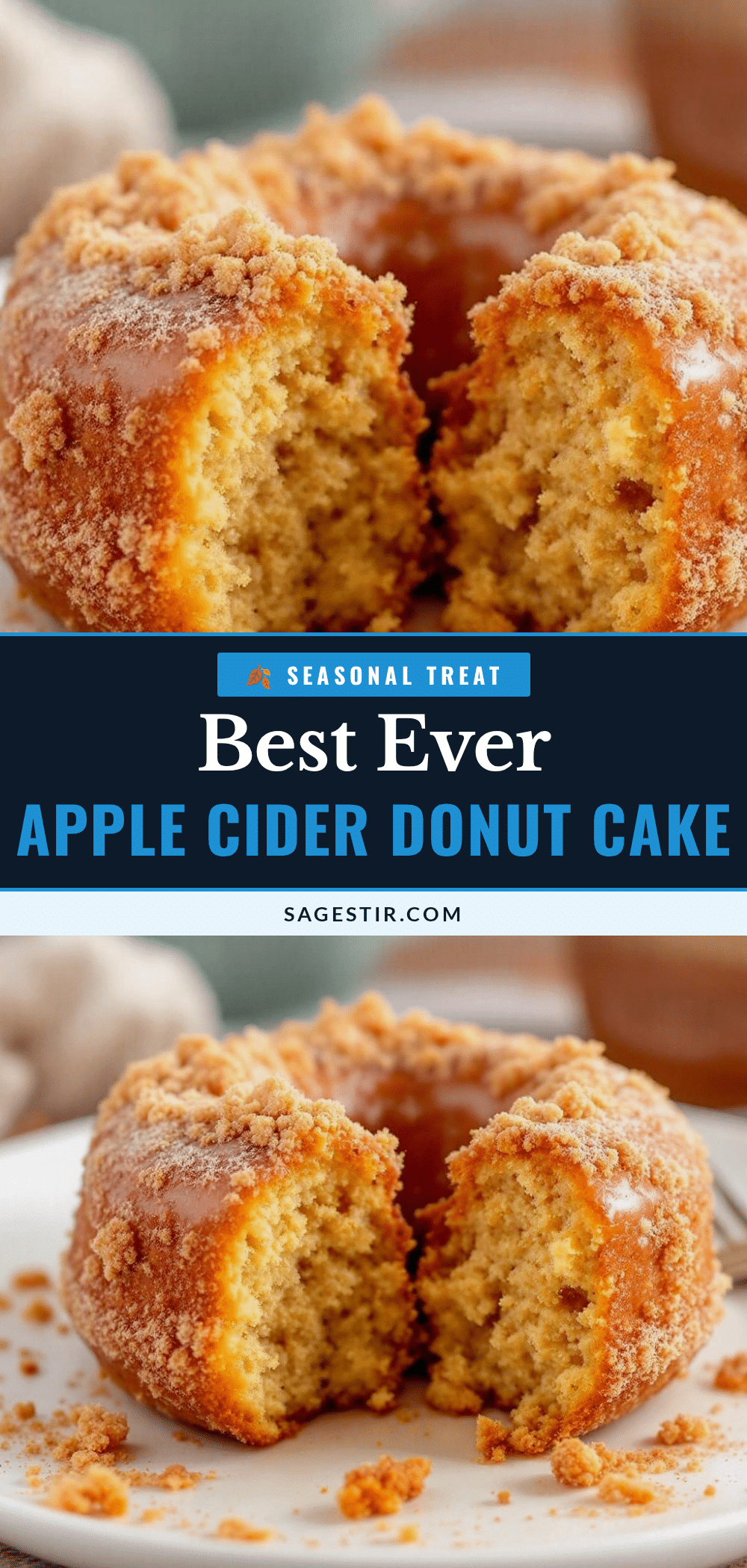
The edges are burnt. Not just browned, but genuinely, dangerously charred, bubbling with a thick, amber syrup that smells like a wood-fired oven in mid-November. That’s the whole point.
I pulled the pan out of the oven and immediately regretted it. The smell was intoxicating, yes, but the sight of that blackened crust made my chef instincts scream. I wanted to toss it. I wanted to call it a loss and order pizza. But then I saw the steam rising from the center, soft and pale, contrasting sharply with the dark, crunchy rim. It looked like a mistake. It looked like a triumph.
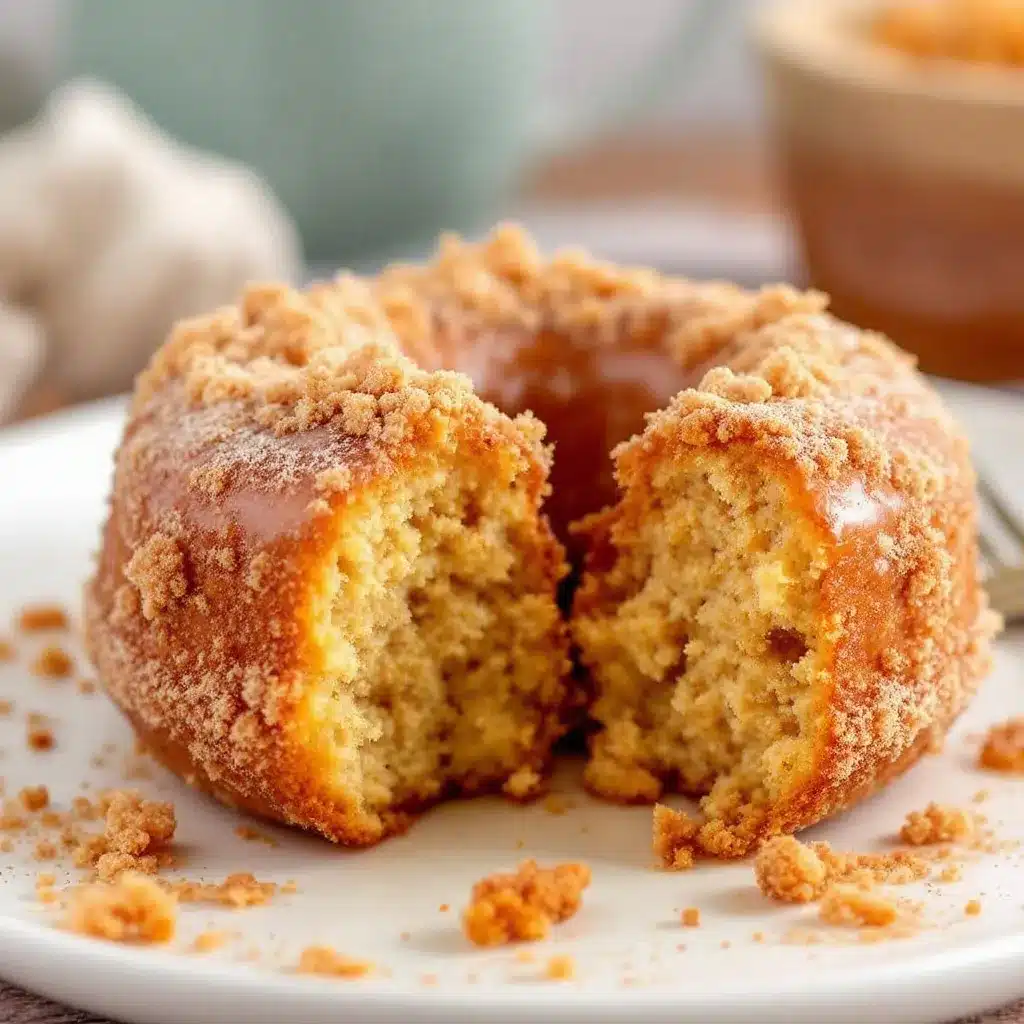
I cut a slice, ignoring the risk of burning my fingers on the hot pan. The knife slid through with zero resistance. The cake inside was moist, dense, and steeped in the sharp tang of reduced cider. The burnt edges? They weren’t a flaw. They were the best part. They provided a bitter, complex counterpoint to the sweet, tender apple flesh.
This is the Best Ever Apple Cider Donut Cake. It’s not pretty. It’s not delicate. It’s rustic, messy, and deeply satisfying. It captures the essence of a fall donut shop but skips the fryer and the oil splatter. Instead, it roasts the sugar until it caramelizes into something almost savory.
I’ve made this recipe three times this season. The first time, I was too afraid of the burn and undercooked the syrup. The second time, I let it get too dark and it tasted like ash. This third time, I nailed the window. Just enough char to make you pause, just enough sweetness to make you take another bite.
If you’re looking for a refined, pale, and perfect dessert, this isn’t it. But if you want something that tastes like autumn itself—smoky, spiced, and warm—then you need to stop worrying about aesthetics and start worrying about the smell. Because once this hits the kitchen, you’re not leaving.
Why You’ll Love This Recipe
Let’s be honest, baking cakes can be a lot of work. You have to measure, mix, wait, and hope it doesn’t collapse. This recipe cuts out the guesswork while delivering a flavor profile that feels gourmet without the stress. It’s the kind of bake that makes you feel like a pro, even if you’re burning the edges on purpose.
Here is why this cake wins every time:
- Quick & Easy: You don’t need a stand mixer or hours of prep. The apple cider reduction happens while you chop the apples, so you’re multitasking without thinking about it. It comes together in under 45 minutes from start to finish.
- Simple Ingredients: No fancy grocery trips needed. You likely already have flour, sugar, butter, and spices in your pantry. The star ingredient, apple cider, is cheap and available everywhere in the fall.
- Perfect for Cozy Dinners: Whether it’s a rainy Tuesday or a holiday gathering, this cake fits anywhere. It’s substantial enough to be a snack but sweet enough to be dessert.
- Crowd-Pleaser: Kids love the donut flavor. Adults love the sophistication of the reduced cider. Everyone loves the warm spices. It gets rave reviews because it tastes like comfort.
- Unbelievably Delicious: The texture is next-level. It’s cake-like on the inside with a sticky, caramelized crust on the outside. It’s moist without being soggy.
What makes this different from other apple cider recipes? Most people just boil the cider down to a glaze and drizzle it on top. That’s fine, but it lacks depth. This recipe reduces the cider *into* the batter. The flavor is infused throughout every bite, not just on the surface.
Plus, the “burnt” edges create a smoky note that mimics the taste of a fried donut, which is hard to achieve in an oven. It’s a hack that feels like magic.
This recipe isn’t just good—it’s the kind that makes you close your eyes after the first bite. It’s comfort food reimagined—faster, easier, but with the same soul-soothing satisfaction. Perfect for impressing guests without stress, or turning a simple meal into something memorable.
What Ingredients You Will Need
This recipe uses simple, wholesome ingredients to deliver bold flavor and satisfying texture without the fuss. The key here is quality over quantity. Since there are so few ingredients, each one has to pull its weight.
Here is what you need to gather:
- Apple Cider: You need 2 cups of fresh, unfiltered apple cider. Look for cloudy, pulpy cider, not the clear, sweetened stuff from the juice aisle. The pulp adds body and authentic apple flavor. Brands like Woodchuck or local farm-stand brands work best. If you can’t find fresh, good quality store-bought cider is fine, just avoid “apple juice cocktail.”
- All-Purpose Flour: 2 cups of standard white flour. Don’t swap this for cake flour unless you want a very tender, delicate crumb. We want a bit of chew, like a donut.
- Baking Powder: 1 tablespoon. This gives the cake its lift. Make sure it’s fresh, or your cake will turn into a brick.
- Salt: 1 teaspoon of kosher salt. This is non-negotiable. It balances the massive amount of sugar and highlights the spice.
- Unsalted Butter: ½ cup (1 stick), softened. Room temperature butter creams better with the sugar, creating that fluffy base. If you use cold butter, you’ll get lumps.
- Granulated Sugar: ¾ cup. This provides the sweetness and helps create the caramelized crust.
- Brown Sugar: ½ cup, packed. The molasses in brown sugar adds depth and moisture. It’s what gives the cake its rich, amber color.
- Eggs: 2 large eggs, room temperature. Cold eggs can cause the butter to seize up. Let them sit out for 30 minutes before you start.
- Vanilla Extract: 1 teaspoon. Use real vanilla, not imitation. It makes a huge difference in flavor.
- Spices: 1 teaspoon ground cinnamon, ½ teaspoon ground nutmeg, and ¼ teaspoon ground ginger. These are the classic donut spices. Don’t skip the nutmeg; it adds that warm, aromatic backbone.
- Apples: 2 large apples, peeled and diced. Use a firm apple like Honeycrisp, Fuji, or Granny Smith. Honeycrisp is my favorite because it holds its shape but gets soft and sweet. Avoid Red Delicious; they turn mushy and bland.
- Optional Topping: Extra cinnamon sugar for sprinkling on top before baking.
Substitution Tips
If you need a gluten-free option, you can use a 1:1 gluten-free flour blend, though the texture will be slightly more crumbly. For a dairy-free version, swap the butter for a high-quality vegan butter stick. The flavor won’t be as rich, but it will still work.
Equipment Needed
You don’t need much for this cake, but having the right tools makes a huge difference.
- Medium Saucepan: You need this to reduce the apple cider. A heavy-bottomed pot is best so the cider doesn’t scorch on the bottom. If you use a thin pot, keep the heat low and stir frequently.
- 9-Inch Round Cake Pan: A standard round pan works best. If you only have a square pan, use an 8×8 square pan, but keep an eye on it as it may bake faster. Grease it well.
- Mixing Bowls: Two medium bowls are sufficient. One for dry ingredients, one for wet.
- Whisk: A standard wire whisk is perfect for aerating the butter and sugar.
- Spatula: A silicone spatula helps you scrape the sides of the bowl and fold in the apples without deflating the batter.
- Measuring Cups and Spoons: Be precise with the spices. Too much nutmeg can make the cake taste medicinal.
Budget Tip: If you don’t have a heavy-bottomed saucepan, just use your cheapest pot and stir constantly. The cider is forgiving, but it does burn easily.
Preparation Method
Follow these steps carefully. The order matters, especially when reducing the cider.
- Reduce the Apple Cider (15 minutes): Pour 2 cups of apple cider into your saucepan. Bring it to a boil over medium-high heat. Once boiling, reduce the heat to medium-low. Let it simmer uncovered. You want to reduce it by half, until you have exactly 1 cup of liquid. This should take about 10-15 minutes. The liquid should be syrupy and coat the back of a spoon. Remove from heat and let it cool completely. Warning: Do not skip this step. Using regular cider will make the cake too wet.
- Preheat and Prep (5 minutes): Preheat your oven to 350°F (175°C). Grease a 9-inch round cake pan with butter or non-stick spray. Dust it with a little flour or cinnamon sugar for extra crunch on the outside.
- Mix Dry Ingredients (2 minutes): In a medium bowl, whisk together the flour, baking powder, salt, cinnamon, nutmeg, and ginger. Set this aside. Whisking ensures the baking powder is evenly distributed, so you don’t get bitter spots.
- Cream Butter and Sugars (3 minutes): In a large bowl, beat the softened butter, granulated sugar, and brown sugar together. Use an electric mixer on medium speed or a strong arm with a wooden spoon. Beat for 2-3 minutes until the mixture is light and fluffy. This step incorporates air, which helps the cake rise.
- Add Eggs and Vanilla (2 minutes): Crack the eggs into the butter mixture one at a time, beating well after each addition. Add the vanilla extract and mix until combined. The mixture might look slightly curdled; that’s okay.
- Combine Wet and Dry (2 minutes): Add the cooled, reduced apple cider to the butter mixture. Mix until just combined. Then, gradually add the dry ingredients. Mix on low speed or stir by hand until *just* combined. Do not overmix, or the cake will be tough. It’s okay if there are a few small lumps of flour.
- Fold in Apples (2 minutes): Gently fold in the diced apples using a spatula. Be careful not to smash them. You want chunks of apple in every bite.
- Bake (35-40 minutes): Pour the batter into the prepared pan. Sprinkle the top with a little extra cinnamon sugar if you want a crunchier crust. Bake for 35-40 minutes. Check at 35 minutes. Insert a toothpick into the center. If it comes out clean or with just a few moist crumbs, it’s done. The edges should be dark and pulling away from the sides of the pan.
- Cool (10 minutes): Let the cake cool in the pan for 10 minutes. Then, run a knife around the edge and invert it onto a wire rack to cool completely. This allows the syrupy bottom to become the top, giving you that sticky, caramelized texture.
Cooking Tips & Techniques
I’ve made a few mistakes with this cake, so you don’t have to.
- Don’t Rush the Reduction: If you boil the cider too hard, it can scorch. Keep it at a gentle simmer. If it reduces too quickly, turn the heat down. You want a concentrated flavor, not a burnt one.
- Room Temperature Ingredients: This is crucial for emulsion. If your butter is cold, it won’t cream properly. If your eggs are cold, the batter might split. Take them out of the fridge an hour before you start.
- Watch the Edges: Ovens vary. If your cake is browning too fast on the edges but the center is still raw, cover the top loosely with aluminum foil for the last 10 minutes of baking. This prevents burning while the center finishes cooking.
- Apple Choice Matters: As mentioned, use firm apples. If you use soft apples like McIntosh, they will dissolve into the batter and you won’t get those nice chunks. Honeycrisp or Fuji are your best friends here.
- Test for Doneness: The toothpick test is standard, but for this cake, you can also look at the edges. They should be dark brown and pulling away from the pan. The center should spring back when lightly touched.
Common Mistakes
Overmixing the batter is the most common error. Once you add the flour, mix only until it disappears. Overmixing develops gluten, leading to a dense, rubbery cake. Also, don’t skip the cooling step. If you cut into it hot, the structure hasn’t set, and it will fall apart.
Variations & Adaptations
This recipe is a great base for experimentation. Here are a few ways to tweak it:
- Gluten-Free: Swap the all-purpose flour for a 1:1 gluten-free baking blend. Add a teaspoon of xanthan gum if your blend doesn’t include it. The texture will be slightly more tender.
- Vegan: Use vegan butter and flax eggs (1 tablespoon ground flaxseed mixed with 3 tablespoons water per egg). The flavor will be slightly less rich, but still delicious.
- Spice It Up: Add a pinch of cardamom or allspice for a more complex spice profile. Or, add ½ teaspoon of black pepper for a subtle kick that pairs well with the cider.
- Add-Ins: Fold in ½ cup of chopped walnuts or pecans for crunch. Or, mix in ½ cup of dark chocolate chips for a sweet-savory twist.
- Seasonal Twist: In the spring, swap the apple cider for pear cider and use pears instead of apples. It’s equally delicious.
I once added a splash of bourbon to the reduced cider before mixing it into the batter. It added a wonderful warmth that paired perfectly with the cinnamon. If you’re feeling adventurous, try it.
Serving & Storage Suggestions
This cake is best served warm. Reheat slices in the microwave for 15-20 seconds to bring back the gooey texture. It pairs beautifully with a cup of black coffee or a glass of cold milk. For a fancy touch, serve it with a dollop of whipped cream or a scoop of vanilla ice cream. The cold cream contrasts nicely with the warm, spiced cake.
Storage
Store leftovers in an airtight container at room temperature for up to 2 days. The cake actually gets moister after a day as the flavors meld. If you need to keep it longer, refrigerate it for up to 5 days. Reheat refrigerated slices in the oven at 300°F for 10 minutes to restore the crisp edges.
You can also freeze this cake. Wrap slices tightly in plastic wrap and foil. Freeze for up to 3 months. Thaw at room temperature before serving.
Nutritional Information & Benefits
This cake is a treat, so enjoy it in moderation. Each slice (assuming 8 slices) contains approximately 350 calories. It has 12g of fat, 55g of carbohydrates, and 4g of protein. The apples provide fiber and vitamin C, while the cinnamon may help regulate blood sugar. It’s not a health food, but it’s better than store-bought donuts because you control the sugar and ingredients.
Dietary Notes
This recipe contains gluten, dairy, and eggs. It is not suitable for those with allergies to these ingredients unless substitutions are made. It is vegetarian-friendly.
Conclusion
The Best Ever Apple Cider Donut Cake is more than just a dessert. It’s a celebration of autumn. It’s messy, it’s sweet, and it’s deeply satisfying. I hope you try this recipe and make it your own. Feel free to adjust the spices or add nuts to suit your taste.
If you make this, I’d love to see it. Tag me on social media or leave a comment below. Let me know how it turned out and if you burned the edges like I did. Happy baking!
Frequently Asked Questions
Can I use apple juice instead of apple cider?
I don’t recommend it. Apple juice is filtered and lacks the depth and acidity of cider. If you must, reduce 3 cups of juice to 1 cup, but the flavor won’t be as authentic.
Why did my cake sink in the middle?
This usually happens if the oven temperature was too high or if you opened the oven door too early. Make sure your baking powder is fresh and don’t overmix the batter.
Can I make this cake ahead of time?
Yes! It tastes even better the next day. Bake it the day before, let it cool completely, and store it in an airtight container. Reheat slices before serving.
What kind of apples are best for this cake?
Firm apples like Honeycrisp, Fuji, or Granny Smith work best. They hold their shape and provide a nice texture contrast.
Can I freeze this cake?
Absolutely. Wrap slices tightly in plastic wrap and foil. Freeze for up to 3 months. Thaw at room temperature before serving.
Pin This Recipe!
Best Ever Apple Cider Donut Cake Recipe

A rustic, moist, and deeply satisfying cake that captures the essence of a fall donut shop without frying. It features a caramelized, slightly charred crust and a batter infused with reduced apple cider and warm spices.
- Prep Time: 15 minutes
- Cook Time: 40 minutes
- Total Time: 45 minutes
- Yield: 8 servings 1x
- Category: Dessert
- Cuisine: American
Ingredients
- 2 cups fresh, unfiltered apple cider
- 2 cups all-purpose flour
- 1 tablespoon baking powder
- 1 teaspoon kosher salt
- 1/2 cup (1 stick) unsalted butter, softened
- 3/4 cup granulated sugar
- 1/2 cup packed brown sugar
- 2 large eggs, room temperature
- 1 teaspoon vanilla extract
- 1 teaspoon ground cinnamon
- 1/2 teaspoon ground nutmeg
- 1/4 teaspoon ground ginger
- 2 large apples (Honeycrisp, Fuji, or Granny Smith), peeled and diced
- Extra cinnamon sugar for sprinkling (optional)
Instructions
- Pour 2 cups of apple cider into a medium saucepan. Bring to a boil over medium-high heat, then reduce heat to medium-low. Simmer uncovered until reduced by half (1 cup), about 10-15 minutes. The liquid should be syrupy. Remove from heat and let cool completely.
- Preheat oven to 350°F (175°C). Grease a 9-inch round cake pan and dust with flour or cinnamon sugar.
- In a medium bowl, whisk together flour, baking powder, salt, cinnamon, nutmeg, and ginger. Set aside.
- In a large bowl, beat softened butter, granulated sugar, and brown sugar until light and fluffy (2-3 minutes).
- Add eggs one at a time, beating well after each addition. Mix in vanilla extract.
- Add the cooled, reduced apple cider to the butter mixture and mix until combined. Gradually add dry ingredients, mixing until just combined. Do not overmix.
- Gently fold in diced apples using a spatula.
- Pour batter into prepared pan. Sprinkle with extra cinnamon sugar if desired. Bake for 35-40 minutes, or until a toothpick inserted in the center comes out clean. Edges should be dark and pulling away from the pan.
- Let cake cool in pan for 10 minutes. Invert onto a wire rack to cool completely.
Notes
Do not skip reducing the cider; using regular cider will make the cake too wet. Ensure ingredients are at room temperature for proper emulsion. If edges brown too quickly, cover loosely with foil for the last 10 minutes. The cake is best served warm.
Nutrition
- Serving Size: 1 slice
- Calories: 350
- Sugar: 38
- Sodium: 350
- Fat: 12
- Saturated Fat: 7
- Carbohydrates: 55
- Fiber: 2
- Protein: 4
Keywords: apple cider cake, donut cake, fall dessert, rustic cake, baked donut, autumn baking, spiced cake