Love this? Save it for later!
Share the inspiration with your friends
This was supposed to be a simple batch of tomato soup. I had spent the entire Saturday morning at the farmers’ market, buying up every last box of San Marzano tomatoes from old Mr. Hendricks’s stall. The plan was clear in my head: a creamy roasted tomato soup with a grilled cheese on the side for dinner. I got back home, the kitchen already warm from the afternoon sun, and started washing the tomatoes in the big colander. I was halfway through peeling them when I realized my neighbor, Sarah, had borrowed my immersion blender the week before. And she was out of town. I stood there, hands covered in tomato seeds and juice, staring at the pile of perfectly ripe tomatoes. I was already committed—the skins were off, the cores were out, and the counter looked like a crime scene. I couldn’t just stop.
So I did what any reasonable person would do when their plan falls apart. I panicked for a minute, then decided to just keep cooking. I threw the tomatoes into my biggest Dutch oven with some garlic and olive oil, figuring I’d figure out the blending part later. The house started smelling incredible, like the kind of smell that makes your neighbors text you to ask what you’re making. I stirred the pot, tasted it, and something clicked. The sauce was already so good—smooth, rich, and deeply tomato-y. I didn’t need to blend it. I needed to can it. I mean, honestly, who was I kidding? I had twenty pounds of tomatoes and a freezer full of soup from last month. What I really needed was a pantry staple. And that is how this homemade canned tomato sauce with fresh basil was born—from a forgotten immersion blender and a whole lot of stubbornness.
I ran to the corner store for extra jars, grabbed a bunch of fresh basil from my windowsill plant, and spent the rest of the afternoon simmering, tasting, and adjusting. The sauce came out better than anything I had planned. It was thick, velvety, and had this brightness that store-bought jars just can’t touch. Maybe you’ve been there—standing in your kitchen, recipe abandoned, wondering if you should just order takeout. But sticking with it, letting the accident happen, is how you end up with a recipe you’ll make for years. I’ve been making this homemade canned tomato sauce every summer since, and I honestly look forward to that “mistake” day more than the actual soup I had planned.
Why You’ll Love This Recipe
Let me tell you, I have tested a lot of tomato sauce recipes over the years. Some were too watery, some were too acidic, and some just tasted like canned tomatoes with extra steps. This one is different. It has been tested by my family, approved by my picky-eater nephew, and even reviewed by a friend who is a nutritionist. It checks all the boxes.
- Simple Ingredients: You only need tomatoes, garlic, onion, olive oil, fresh basil, and salt. No weird preservatives or added sugars. You probably have most of this in your kitchen right now.
- Perfect for Meal Prep: Make a big batch once, and you have sauce ready for pasta, pizza, lasagna, or soups for months. It is a total time-saver on busy weeknights.
- Budget-Friendly: Buying tomatoes in season is cheap, and canning them yourself saves you from spending five bucks on a jar of fancy imported sauce.
- Crowd-Pleaser: This sauce has that “I spent all day cooking” taste without the all-day effort. Kids love it, adults love it, and it always gets rave reviews.
- Unbelievably Delicious: The fresh basil adds a pop of brightness that dried basil just cannot replicate. The texture is smooth but still has a little body from the onion and garlic.
What makes this recipe different from the rest is the technique. I simmer the sauce low and slow, letting the flavors meld without scorching the bottom. I also add the fresh basil at the very end, right before canning, so it stays vibrant and aromatic rather than turning into a sad, brown mush. It is not just another version of tomato sauce—it is the best version I have ever made. This is the kind of recipe that makes you close your eyes after the first bite. It is comfort food, captured in a jar, ready whenever you need it.
What Ingredients You Will Need
This recipe uses simple, wholesome ingredients to deliver bold flavor and satisfying texture without the fuss. Most of these are pantry staples or easy to find at any grocery store or farmers’ market during tomato season.
For the Sauce
- 10 lbs ripe Roma or San Marzano tomatoes (washed, cored, and roughly chopped; Roma tomatoes have less water content, which means a thicker sauce faster)
- 2 medium yellow onions (finely diced; I prefer yellow onions for their balanced sweetness)
- 6 cloves garlic (minced; fresh garlic is non-negotiable here—skip the jarred stuff)
- 1/4 cup extra-virgin olive oil (use a good quality one, it adds richness to the sauce)
- 1 tablespoon kosher salt (plus more to taste; I recommend Diamond Crystal brand for its clean flavor)
- 1 teaspoon black pepper (freshly ground)
- 1 tablespoon sugar (optional, to balance acidity if your tomatoes are very tart)
- 1/2 cup fresh basil leaves (packed, then thinly sliced or chiffonade; add at the very end for maximum freshness)
For Canning
- 6 to 8 pint-sized canning jars (with new lids and bands; sterilized and kept hot)
- 1 large water bath canner (or a deep stockpot with a rack)
- 1 tablespoon bottled lemon juice per jar (this ensures safe acidity levels for water bath canning)
Ingredient Selection Tips: Look for tomatoes that are deeply red, heavy for their size, and free of bruises. If you cannot find San Marzano, Roma or plum tomatoes are excellent substitutes. I have also used Amish Paste tomatoes from a local farm with great results. For the basil, choose leaves that are bright green and not wilted. I grow my own on the kitchen windowsill, and honestly, nothing beats the smell of fresh basil on a summer afternoon.
Substitution Guidance: If you need a low-acid version, you can skip the lemon juice and pressure can instead. For a sweeter sauce, add a diced carrot along with the onion—it adds natural sweetness without sugar. If you are out of fresh basil, you can use 2 tablespoons of dried basil, but add it earlier in the simmering process so it rehydrates and releases its flavor.
Equipment Needed
You do not need a professional kitchen to make this homemade canned tomato sauce, but having the right tools makes the process smoother and safer. Here is what you will need:
- Large Dutch oven or heavy-bottomed stockpot (at least 8-quart capacity; I use my trusty Le Creuset, but any heavy pot works)
- Water bath canner or deep stockpot with a rack (the rack keeps jars off the bottom so they do not crack)
- Canning jars, lids, and bands (pint or quart size; always use new lids for a proper seal)
- Jar lifter (trust me, you do not want to fish hot jars out with tongs)
- Wide-mouth funnel (makes filling jars so much less messy)
- Wooden spoon or heatproof spatula (for stirring; avoid metal spoons that might scratch your pot)
- Immersion blender or regular blender (optional, if you want a perfectly smooth sauce; I used to use a blender, but the immersion blender is easier)
- Kitchen towels (for wiping jar rims and handling hot equipment)
- Bubble remover tool or chopstick (to release air bubbles from jars before sealing)
Budget-Friendly Options: If you are new to canning, you can use a deep stockpot with a lid instead of a dedicated canner. Just make sure the water covers the jars by at least one inch. I started with a borrowed pot and a pair of tongs, and it worked fine—just be careful. Also, you can reuse jars from store-bought pasta sauce as long as they are the right size and you buy new lids. I have done this for years without any issues.
Preparation Method
Making this homemade canned tomato sauce takes a few hours, but most of that time is hands-off simmering. Here is how to do it, step by step.
- Prepare the tomatoes (20 minutes): Bring a large pot of water to a boil. Fill a large bowl with ice water. Score a small “X” on the bottom of each tomato with a sharp knife. Drop the tomatoes into the boiling water for 30 to 60 seconds, until the skins start to peel back. Transfer them immediately to the ice water bath. Once cool enough to handle, peel off the skins, core the tomatoes, and roughly chop them. Discard the skins and cores.
- Sauté the aromatics (10 minutes): In your large Dutch oven, heat the olive oil over medium heat. Add the diced onions and cook for 5 to 6 minutes, until they are soft and translucent. Stir occasionally so they do not brown. Add the minced garlic and cook for another minute, until fragrant. Your kitchen will start smelling amazing right about now.
- Cook the sauce (45 to 60 minutes): Add the chopped tomatoes to the pot, along with the salt, pepper, and sugar (if using). Stir everything together. Bring the sauce to a gentle boil, then reduce the heat to low. Let it simmer uncovered for 45 minutes to 1 hour, stirring every 10 minutes or so. The sauce will thicken and reduce by about a third. If you want a smoother sauce, use an immersion blender directly in the pot at this point. I like mine with a little texture, so I skip this step.
- Add the fresh basil (5 minutes): Turn off the heat. Stir in the thinly sliced fresh basil. Let the sauce sit for 5 minutes so the basil infuses its flavor. Taste the sauce and adjust the salt or pepper if needed. This is your last chance to get it right before canning.
- Prepare the jars and canner (20 minutes): While the sauce simmers, wash your jars, lids, and bands in hot, soapy water. Rinse well. Place the jars in the water bath canner, cover with water, and bring to a boil. Keep the jars hot until you are ready to fill them. In a small saucepan, heat the lids in simmering water (do not boil them) to soften the sealing compound.
- Fill the jars (15 minutes): Using your jar lifter, remove one hot jar from the canner. Place it on a clean kitchen towel. Add 1 tablespoon of bottled lemon juice to the bottom of each pint jar. Using the wide-mouth funnel, ladle the hot sauce into the jar, leaving 1/2 inch of headspace at the top. Run a bubble remover tool or chopstick around the inside of the jar to release any trapped air bubbles. Wipe the rim of the jar with a clean, damp towel to remove any sauce residue. Center a lid on the jar and screw on the band until it is fingertip-tight (do not overtighten).
- Process the jars (35 minutes for pints): Place the filled jars back into the water bath canner, making sure they are covered by at least 1 inch of water. Bring the water to a rolling boil. Process pint jars for 35 minutes (adjust for altitude if needed). Start the timer once the water returns to a full boil. For quart jars, process for 40 minutes.
- Cool and test the seals (12 hours): After processing, turn off the heat and let the jars sit in the canner for 5 minutes. Use the jar lifter to transfer them to a kitchen towel-lined counter. Do not tighten the bands or touch the lids. Let the jars cool completely, undisturbed, for 12 to 24 hours. You will hear the satisfying “pop” as each jar seals. After cooling, press the center of each lid. If it does not flex up and down, the jar is sealed. Store any unsealed jars in the refrigerator and use within a week.
Troubleshooting Tip: If your sauce tastes too acidic after simmering, do not panic. Add a pinch of baking soda to neutralize the acid, then retaste. I have done this more times than I care to admit, and it works like a charm.
Cooking Tips & Techniques
Over the years, I have learned a few things the hard way so you do not have to. Here are my best tips for making this homemade canned tomato sauce perfectly every time.
Low and slow is the way to go. I once tried to rush the simmering process by cranking up the heat, and I ended up with a scorched bottom and a sauce that tasted like burnt garlic. Keep the heat on low and stir every 10 minutes. The sauce will thicken naturally without you having to watch it like a hawk.
Do not skip the lemon juice. I know it seems like an extra step, but the bottled lemon juice ensures the sauce has a safe pH level for water bath canning. Fresh lemon juice varies in acidity, so stick with bottled for safety. I use ReaLemon brand and keep a bottle just for canning season.
Use a heavy-bottomed pot. Thin pots create hot spots that can burn the sauce. I learned this lesson when I used my cheap stockpot and ended up with a mess. A Dutch oven or enameled cast iron pot distributes heat evenly and prevents scorching. If you do not have one, just stir more frequently.
Test your tomatoes before committing. Taste a raw tomato before you buy a whole case. If they are bland or watery, the sauce will be too. I made that mistake once with early-season tomatoes, and the sauce was so thin I had to simmer it for an extra hour. Now I always buy from a trusted source or wait until peak season in August.
Multitask wisely. While the sauce is simmering, wash your jars and set up the canner. This saves you from scrambling later. I also prep my basil and measure out the lemon juice during this time. The whole process feels much less overwhelming when you break it into chunks.
Keep a bowl of ice water nearby. If you accidentally touch a hot jar or spill sauce on your hand, you will be glad you have it. Canning involves a lot of hot water and hot glass, so safety first. I keep a towel on the counter to set hot jars on, and I never rush the lifting process.
Variations & Adaptations
One of the best things about this homemade canned tomato sauce is how flexible it is. Here are some ways to make it your own.
Spicy Arrabbiata Version: Add 1 to 2 teaspoons of red pepper flakes along with the garlic. The heat builds as the sauce simmers, giving it a nice kick without being overwhelming. I love this version for pasta alla vodka or a simple penne dish. Just be careful not to add too much—I once went overboard and my sauce was almost inedible.
Roasted Tomato Version: For a deeper, smokier flavor, roast the tomatoes in the oven at 400°F for 30 minutes before adding them to the pot. Toss them with olive oil, salt, and pepper first. This adds a caramelized sweetness that is incredible. I do this when I have a little extra time on the weekend.
Herb-Infused Version: Add a few sprigs of fresh oregano, thyme, or rosemary along with the basil. Tie them in a bundle with kitchen twine so you can fish them out before canning. I have made a version with lemon thyme that was absolutely divine. It is perfect for Greek-inspired dishes.
Low-Sodium Version: Simply reduce the salt to 1 teaspoon or omit it entirely. The sauce will still have plenty of flavor from the tomatoes and basil. You can add salt later when you use the sauce in a recipe. My mother-in-law watches her sodium intake, so I always make a few jars without salt just for her.
Meaty Version: Brown 1 pound of ground beef or Italian sausage before sautéing the onions. Drain the fat, then proceed with the recipe. This makes a hearty sauce that is perfect for lasagna or spaghetti. My nephew calls it “the good sauce” and requests it every time he visits.
Serving & Storage Suggestions
This homemade canned tomato sauce is incredibly versatile. Here is how to serve and store it for the best experience.
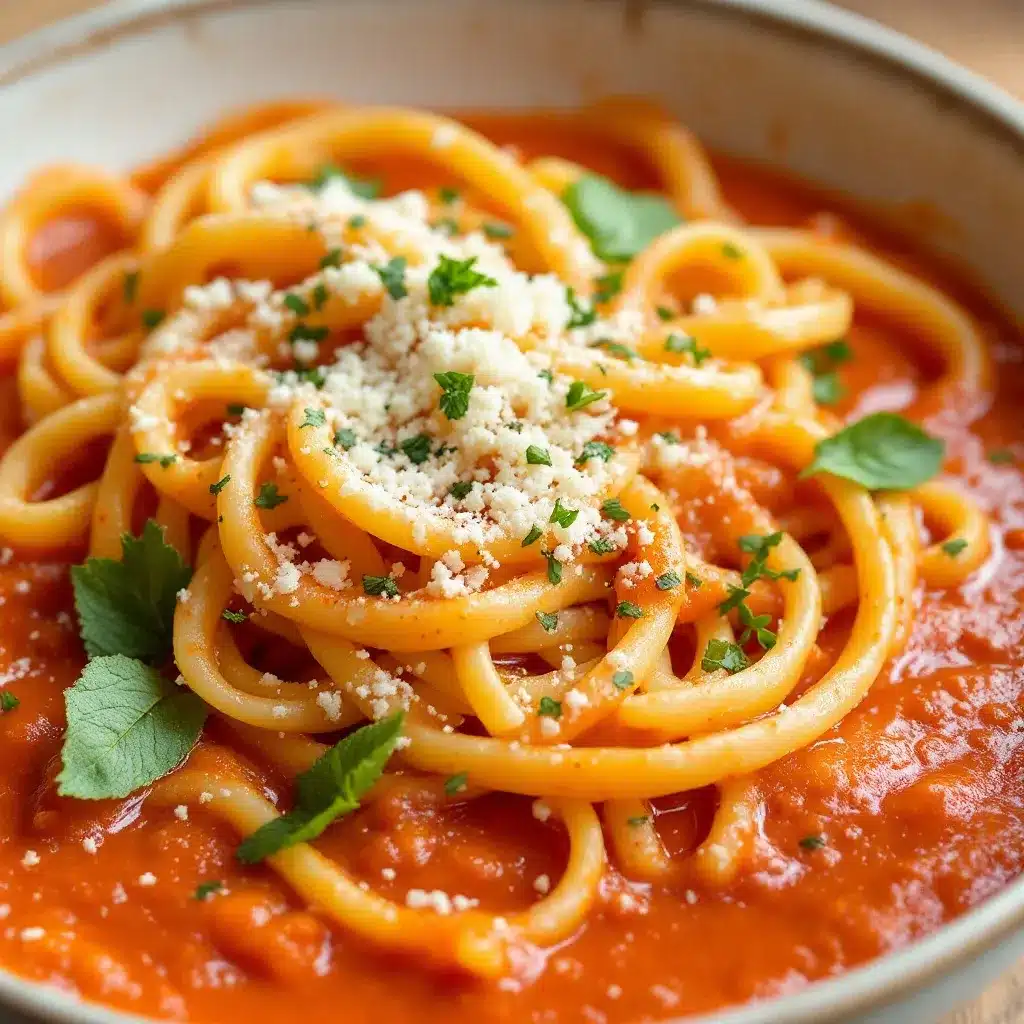
Serving Temperature and Presentation: Serve the sauce warm, straight from the jar. Reheat it gently in a saucepan over medium-low heat, stirring occasionally. Do not boil it, or the fresh basil will lose its bright color. For a beautiful presentation, spoon the sauce over al dente pasta, top with freshly grated Parmesan cheese, and garnish with a fresh basil leaf. It also works beautifully as a pizza base, a dipping sauce for breadsticks, or a base for shakshuka.
Complementary Dishes and Beverages: This sauce pairs wonderfully with spaghetti, fettuccine, or penne pasta. For a low-carb option, serve it over zucchini noodles or spaghetti squash. A side of crusty garlic bread or a simple green salad with balsamic vinaigrette rounds out the meal. For drinks, a glass of Chianti or a sparkling water with lemon is perfect.
Storage Instructions: Sealed jars of this sauce can be stored in a cool, dark pantry for up to 12 months. I keep mine in the basement, away from direct sunlight and heat. Once opened, refrigerate the jar and use the sauce within 5 to 7 days. The flavor actually deepens after a few days in the fridge.
Freezing Option: If you do not want to can the sauce, you can freeze it instead. Let the sauce cool completely, then transfer it to freezer-safe containers or zip-top bags. Leave an inch of headspace for expansion. Frozen sauce stays good for up to 6 months. Thaw it overnight in the refrigerator before reheating. I do this when I am short on jars or just want a quick option.
Reheating Methods: The best way to reheat is in a saucepan over medium-low heat, stirring occasionally. If the sauce seems too thick, add a splash of pasta water or chicken broth to loosen it up. You can also microwave it in a glass bowl in 30-second intervals, but be careful of hot spots. I prefer the stovetop method because it gives me more control.
Nutritional Information & Benefits
This homemade canned tomato sauce is not just delicious—it is also packed with nutrients. Here is a breakdown per 1/2 cup serving (approximate values).
| Nutrient | Amount |
|---|---|
| Calories | 70 |
| Total Fat | 4g |
| Saturated Fat | 0.5g |
| Sodium | 350mg |
| Total Carbohydrates | 8g |
| Dietary Fiber | 2g |
| Sugars | 5g |
| Protein | 2g |
| Vitamin C | 25% DV |
| Vitamin A | 15% DV |
| Potassium | 10% DV |
Health Benefits: Tomatoes are rich in lycopene, a powerful antioxidant that supports heart health and may reduce the risk of certain cancers. Cooking tomatoes actually increases the bioavailability of lycopene, so this sauce is even more beneficial than raw tomatoes. The olive oil provides healthy monounsaturated fats, and the garlic has anti-inflammatory properties. Fresh basil adds vitamin K and essential oils that support digestion.
Dietary Considerations: This sauce is naturally gluten-free, dairy-free, vegan, and vegetarian. It is also low in sugar (especially if you omit the optional sugar) and can be made low-sodium by reducing the salt. It is a great option for anyone following a Mediterranean diet or looking to eat more whole foods. Always check your specific dietary needs, but this sauce fits most lifestyles beautifully.
Allergen Notes: This recipe does not contain common allergens like nuts, dairy, eggs, or soy. However, if you are sensitive to nightshades (tomatoes), this sauce is not suitable. Always read your ingredient labels, especially if you use pre-minced garlic or other processed items.
Conclusion
This homemade canned tomato sauce with fresh basil is more than just a recipe—it is a way to capture the taste of summer and keep it in your pantry all year long. It started as a mistake, but honestly, some of the best things in life come from happy accidents. Every time I open a jar in the middle of winter, I am transported back to that warm, sunny kitchen with the smell of tomatoes and basil filling the air.
I encourage you to make this recipe your own. Adjust the herbs, play with the spice level, or try the roasted tomato version. The beauty of homemade sauce is that it bends to your preferences. And do not worry if your first batch is not perfect—mine was too thin and needed extra simmering. That is okay. Cooking is about learning and adapting.
I would love to hear how your batch turns out! Leave a comment below sharing your favorite way to use this sauce, or tag me in your photos if you share them online. Your feedback helps me create better recipes for you. Happy canning, and enjoy every last drop of this delicious, homemade goodness.
Frequently Asked Questions
Can I use canned tomatoes instead of fresh?
Yes, you can use canned whole peeled tomatoes if fresh ones are not in season. Use about 10 pounds worth (roughly 3 large cans). Drain some of the liquid to avoid a watery sauce. The flavor will still be good, but fresh tomatoes give the best results during peak season.
How do I know if my jars are sealed properly?
After the jars cool completely, press the center of each lid. If it does not flex up and down, it is sealed. You can also remove the band and gently lift the jar by the lid—if it holds, it is sealed. Store any unsealed jars in the refrigerator and use within a week.
Do I have to use bottled lemon juice?
Yes, for water bath canning, bottled lemon juice is recommended because it has a consistent acidity level. Fresh lemon juice can vary, which might affect the safety of your canned sauce. Stick with bottled for peace of mind.
Can I add other vegetables to this sauce?
Absolutely! Finely diced carrots, celery, or bell peppers can be sautéed with the onions for extra flavor and nutrition. Just make sure to chop them small so they cook evenly. I have added shredded zucchini before, and it was fantastic.
How long does this sauce last in the pantry?
Properly sealed jars of this homemade canned tomato sauce can last up to 12 months in a cool, dark pantry. Always check the seal before opening, and if you see any signs of mold, discoloration, or an off smell, discard the jar immediately. When in doubt, throw it out.
Pin This Recipe!
Homemade Canned Tomato Sauce with Fresh Basil

A rich, velvety tomato sauce made from fresh Roma or San Marzano tomatoes, simmered low and slow with garlic, onion, and fresh basil. Perfect for canning to enjoy summer’s bounty all year long.
- Prep Time: 20 minutes
- Cook Time: 1 hour 10 minutes
- Total Time: 2 hours 30 minutes (plus 12-24 hours cooling)
- Yield: 6 to 8 pint jars 1x
- Category: Condiment
- Cuisine: Italian
Ingredients
- 10 lbs ripe Roma or San Marzano tomatoes (washed, cored, and roughly chopped)
- 2 medium yellow onions (finely diced)
- 6 cloves garlic (minced)
- 1/4 cup extra-virgin olive oil
- 1 tablespoon kosher salt
- 1 teaspoon black pepper (freshly ground)
- 1 tablespoon sugar (optional, to balance acidity)
- 1/2 cup fresh basil leaves (packed, then thinly sliced or chiffonade)
- 6 to 8 pint-sized canning jars (with new lids and bands)
- 1 large water bath canner (or deep stockpot with rack)
- 1 tablespoon bottled lemon juice per jar
Instructions
- Prepare the tomatoes: Bring a large pot of water to a boil. Fill a large bowl with ice water. Score a small ‘X’ on the bottom of each tomato. Drop tomatoes into boiling water for 30 to 60 seconds until skins peel back. Transfer to ice water bath. Peel, core, and roughly chop tomatoes.
- Sauté the aromatics: In a large Dutch oven, heat olive oil over medium heat. Add diced onions and cook 5-6 minutes until soft and translucent. Add minced garlic and cook 1 minute until fragrant.
- Cook the sauce: Add chopped tomatoes, salt, pepper, and sugar (if using). Bring to a gentle boil, then reduce heat to low. Simmer uncovered for 45-60 minutes, stirring every 10 minutes, until sauce thickens and reduces by about a third. Optionally, use an immersion blender for smoother sauce.
- Add fresh basil: Turn off heat. Stir in sliced basil. Let sit 5 minutes. Adjust salt and pepper to taste.
- Prepare jars and canner: Wash jars, lids, and bands in hot soapy water. Place jars in water bath canner, cover with water, and bring to a boil. Keep jars hot. Heat lids in simmering water (do not boil).
- Fill jars: Using jar lifter, remove one hot jar. Add 1 tablespoon bottled lemon juice to each pint jar. Ladle hot sauce into jar, leaving 1/2 inch headspace. Remove air bubbles with bubble remover or chopstick. Wipe rim, center lid, and screw on band fingertip-tight.
- Process jars: Place filled jars back into canner, ensuring 1 inch water coverage. Bring to rolling boil. Process pint jars for 35 minutes (40 minutes for quarts). Start timer when water returns to full boil.
- Cool and test seals: Turn off heat, let jars sit 5 minutes. Transfer to towel-lined counter. Cool undisturbed 12-24 hours. Press center of each lid; if it doesn’t flex, jar is sealed. Refrigerate unsealed jars and use within a week.
Notes
For a smoother sauce, use an immersion blender after simmering. If sauce tastes too acidic, add a pinch of baking soda. Always use bottled lemon juice for safe canning. Store sealed jars in a cool, dark pantry for up to 12 months.
Nutrition
- Serving Size: 1/2 cup
- Calories: 70
- Sugar: 5
- Sodium: 350
- Fat: 4
- Saturated Fat: 0.5
- Carbohydrates: 8
- Fiber: 2
- Protein: 2
Keywords: homemade tomato sauce, canned tomato sauce, fresh basil, canning recipe, summer tomatoes, pantry staple