Love this? Save it for later!
Share the inspiration with your friends
This was supposed to be a sourdough boule. I had my starter fed and bubbly, my kitchen scale ready, and big plans for a crusty, artisanal loaf that would make me feel like I actually knew what I was doing. But somewhere between the first stretch and fold and answering a text from my sister, I got distracted. The dough overproofed, turned into a sticky, slack mess, and I was already running late for a lunch I was supposed to bring bread to. I stared at the bowl, honestly ready to toss the whole thing in the trash.
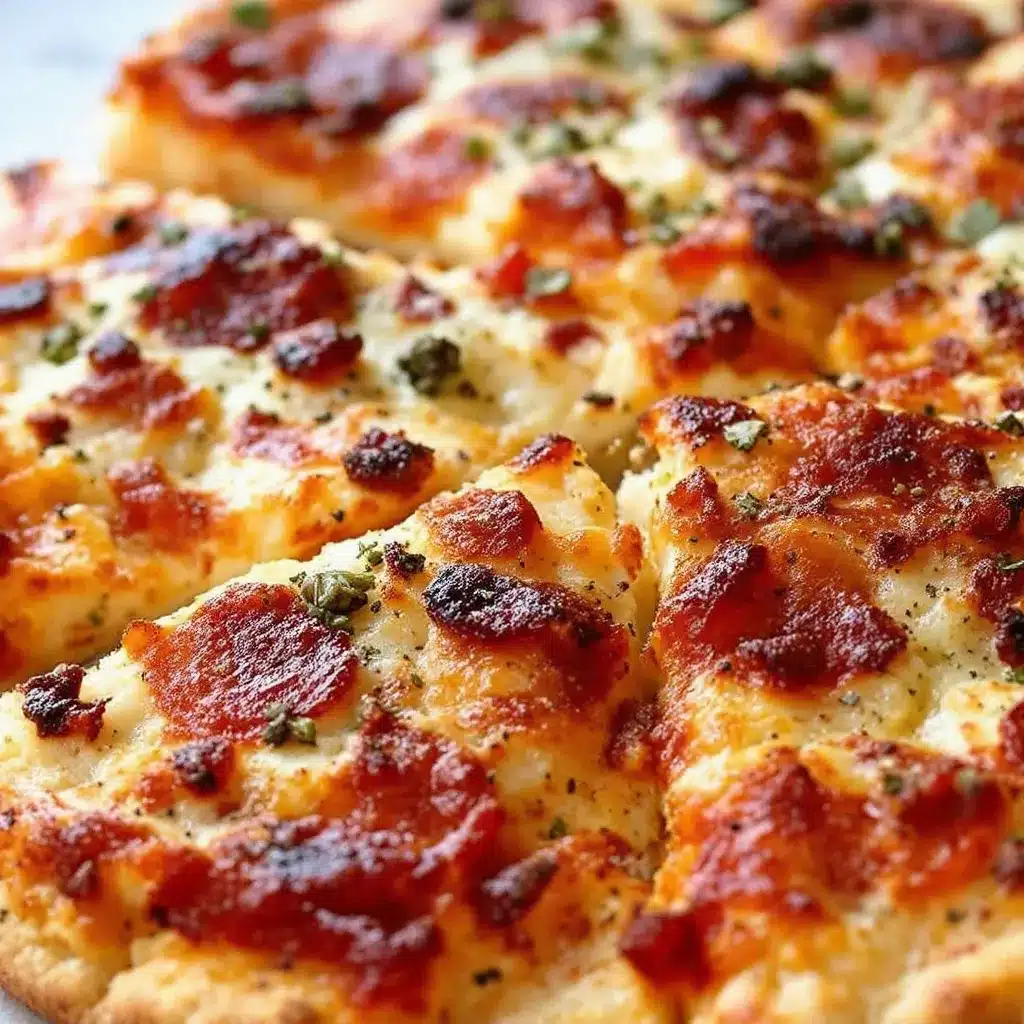
Then I remembered a tip I’d read somewhere about using overproofed dough for focaccia. I mean, I had nothing to lose, right? So I dumped the whole sticky, bubbly mess into a well-oiled pan, dimpled it with my fingers, and crossed my fingers. What came out of the oven was nothing like the boule I planned — and way, way better. The crumb was soft and airy, the crust was perfectly golden and crisp, and that signature tangy sourdough flavor was exactly what I’d been chasing. I stood at the counter eating piece after piece, half in disbelief that my mistake turned into my new favorite bread.
Maybe you’ve been there — staring at a bowl of sourdough discard or overproofed dough, wondering if there’s any hope. Let me tell you, there is. This easy same-day sourdough discard focaccia is the recipe that saved me from quitting sourdough altogether. It’s forgiving, fast, and tastes like you spent all day on it when really, you just saved your own bacon. I’ve made it at least a dozen times since that first happy accident, and honestly, it keeps getting better.
Why You’ll Love This Recipe
This isn’t just another focaccia recipe. After testing this method with both active starter and discard, with different hydration levels and proofing times, I can confidently say this version hits the sweet spot. It’s the kind of recipe that makes you wonder why you ever stressed about sourdough in the first place.
- Quick & Easy: From mixing bowl to dinner table in about 1 hour. No overnight rises, no complicated schedules.
- Uses Sourdough Discard: Perfect way to use up that jar of discard sitting in your fridge. No need for active, bubbly starter.
- Simple Ingredients: Flour, water, oil, salt, and your discard. That’s it. You probably have everything right now.
- Foolproof Method: Even if your dough feels too wet or too sticky, this recipe forgives mistakes. I’ve tested it six ways to Sunday.
- Incredible Texture: That perfect contrast — crispy, golden bottom and edges with a light, airy, chewy interior. It’s honestly addictive.
- Endlessly Adaptable: Top it with rosemary and sea salt, cherry tomatoes and olives, or keep it plain. It works with whatever you have.
I’ve brought this focaccia to potlucks, served it alongside pasta for weeknight dinners, and eaten it straight from the pan for breakfast (no judgment). Every single time, people ask for the recipe. They can’t believe it came together in an hour using discard. That moment when they take a bite and their eyes go wide? That’s why I keep making it.
What Ingredients You Will Need
This recipe uses simple, pantry-friendly ingredients to create that signature focaccia texture — crispy on the outside, soft and airy on the inside. The sourdough discard does the heavy lifting here, adding flavor and helping the dough rise without commercial yeast (though we use a tiny bit to speed things up).
For the Dough
- All-purpose flour – 3 cups (360g). I prefer King Arthur or Gold Medal for consistent results. Bread flour works too, giving a slightly chewier crumb.
- Sourdough discard – 1 cup (240g), straight from the fridge. Unfed, cold, lazy discard is perfect here. No need to feed it first.
- Warm water – 1 cup (240ml), about 100°F. Not too hot — you don’t want to kill the yeast we’re about to add.
- Instant yeast – 1 teaspoon. This is our insurance policy. The discard adds flavor, the yeast guarantees a rise in under an hour.
- Olive oil – ¼ cup (60ml) for the dough, plus more for the pan. Use good quality stuff — you’ll taste it.
- Salt – 1½ teaspoons. I use fine sea salt. If using kosher, bump it up to 2 teaspoons.
- Honey or sugar – 1 teaspoon (optional). Helps the yeast activate and adds a tiny bit of sweetness to balance the tang.
For the Topping
- Olive oil – 2-3 tablespoons for drizzling. Don’t skimp — this is what makes the crust crispy.
- Flaky sea salt – like Maldon. Regular salt works but flaky gives that perfect crunch.
- Fresh rosemary – 2 tablespoons, chopped. Or dried if that’s what you have.
- Optional add-ins – cherry tomatoes (halved), kalamata olives, thinly sliced garlic, red pepper flakes, or everything bagel seasoning.
One thing I learned the hard way — don’t skip the olive oil in the pan. I mean it. Focaccia essentially fries in that oil as it bakes, creating that gorgeous golden crust. I use about 3-4 tablespoons in a 9×13 pan, and it makes all the difference. Also, if your discard has been sitting in the fridge for weeks and smells extra tangy, that’s perfect. The stronger the discard, the more flavor your focaccia will have.
Equipment Needed
- 9×13-inch baking pan – Metal or glass both work. I prefer metal for crisper edges. A jelly roll pan works too if that’s what you have.
- Large mixing bowl – Any bowl big enough to hold 4 cups of dough without overflowing.
- Kitchen scale – Not strictly necessary but highly recommended for consistent results. I use mine every single time.
- Bench scraper or spatula – For folding and scraping the sticky dough. A silicone spatula works great.
- Plastic wrap or a damp kitchen towel – For covering the dough while it rises.
- Measuring cups and spoons – Standard set works fine if you don’t have a scale.
I’ll be honest — when I first started making focaccia, I didn’t own a 9×13 pan. I used a cast iron skillet, which actually worked beautifully. The edges got extra crispy and the shape was rustic and fun. So if you don’t have the exact pan, don’t let that stop you. A 10-inch round cake pan or even an 8×8 square pan will work — just adjust the baking time slightly and watch for doneness.
Preparation Method
- Mix the dough. In a large bowl, combine the warm water, instant yeast, and honey (if using). Let it sit for 5 minutes until it looks a little foamy. This tells you the yeast is alive and happy. Add the sourdough discard, olive oil, and salt. Stir until the discard breaks up into the water. Then add the flour all at once. Mix with a spatula or your hand until a shaggy, sticky dough forms. It will look wet and messy — that’s exactly right.
- Let it rest. Cover the bowl with plastic wrap or a damp towel and let it sit for 10 minutes. This autolyse step lets the flour absorb the water and makes the dough easier to work with. I usually use this time to clean up my mess and preheat the oven to 425°F.
- Stretch and fold. After the rest, wet your hands slightly (sticky dough is easier to handle with wet hands). Grab one side of the dough, stretch it up, and fold it over the top. Turn the bowl a quarter turn and repeat. Do this 4 times total, rotating the bowl each time. Cover again and let it rest 10 minutes. Repeat this stretch-and-fold process one more time. You’ll notice the dough getting smoother and more elastic with each fold.
- Oil the pan. Pour 3-4 tablespoons of olive oil into your 9×13 pan. Spread it around so the bottom and sides are well coated. This isn’t just for flavor — the oil helps create that crispy, almost fried bottom crust that makes focaccia so good.
- Transfer and stretch. Scrape the dough into the oiled pan. Don’t try to knead it or deflate it too much. Just let it fall in. Gently stretch the dough to reach the corners of the pan. If it resists, let it rest for 5 minutes and try again. The dough will eventually relax and cooperate.
- First rise. Cover the pan with plastic wrap and let it rise in a warm spot for 30-40 minutes. It should puff up noticeably and look bubbly. If your kitchen is cold, place the pan in your oven (turned off) with the oven light on. That warm, draft-free spot works wonders.
- Dimple the dough. Once risen, drizzle another tablespoon of olive oil over the top. Use your fingertips to press deep dimples all over the dough — go all the way down to the bottom of the pan. This isn’t just for looks. Those dimples hold the oil and create those little pools of flavor. Don’t be shy. Really get in there.
- Add toppings. Sprinkle flaky sea salt and fresh rosemary (or whatever toppings you’re using) evenly over the top. Press them in gently so they stick. If using cherry tomatoes, push them into the dimples so they don’t roll off during baking.
- Bake. Place the pan in the preheated 425°F oven on the middle rack. Bake for 20-25 minutes until the top is deep golden brown and the bottom is crispy. If you want extra color on top, switch to broil for the last 1-2 minutes. Watch it carefully — broilers can go from perfect to burnt in seconds.
- Cool and serve. Let the focaccia cool in the pan for 5 minutes, then transfer to a wire rack. If you leave it in the pan too long, the bottom can get soggy. I learned this the hard way. Let it cool for at least 10 minutes before cutting. If you can wait that long.
Cooking Tips & Techniques
The first time I made this, I was convinced I’d ruined it. The dough was so sticky I could barely get it into the pan. But here’s the thing — wetter dough makes better focaccia. Don’t be tempted to add more flour. That stickiness is what creates the light, airy crumb with those beautiful irregular bubbles.
One mistake I made early on was not dimpling deeply enough. I’d poke at the surface gently, worried I’d deflate the dough. But focaccia wants to be dimpled. Press firmly and confidently, all the way to the bottom of the pan. Those deep wells fill with olive oil during baking and create the most incredible crispy, flavorful pockets.
For the crispiest bottom crust, I’ve found that preheating the pan in the oven for 5 minutes before adding the oil and dough makes a noticeable difference. Just be careful — the pan will be hot. I use oven mitts to swirl the oil around before adding the dough.
Timing-wise, here’s my strategy: start the dough, then prep your toppings and get the oven preheating during the rest periods. By the time the dough has risen and you’ve dimpled it, the oven should be at temperature. Total hands-on time is maybe 15 minutes spread over an hour. The rest is just waiting.
If your dough doesn’t seem to be rising much, don’t panic. Sourdough discard varies in strength, and some batches are more active than others. As long as you see some bubbles and the dough looks slightly puffy, you’re fine. The yeast and baking heat will do the rest.
Variations & Adaptations
This recipe is incredibly flexible. Here are some of my favorite ways to change it up:
- Herb and Garlic: Before dimpling, press thinly sliced garlic cloves into the dough. Top with fresh or dried oregano, thyme, and rosemary. The garlic roasts into sweet, mellow pockets of flavor.
- Tomato and Olive: Press halved cherry tomatoes and halved kalamata olives into the dimples. The tomatoes burst during baking, releasing juices that soak into the bread. Sprinkle with dried oregano for a Mediterranean vibe.
- Everything Bagel: Skip the rosemary and sprinkle everything bagel seasoning generously over the top after dimpling. The sesame seeds and garlic flakes toast beautifully in the oven.
- Cheese Lover’s: Sprinkle shredded Parmesan or pecorino over the top before baking. For extra indulgence, dot small pieces of fresh mozzarella into the dimples. It gets all melty and stretchy.
- Spicy Honey: After baking, drizzle with honey mixed with red pepper flakes. The sweet heat combination is absolutely addictive. I discovered this by accident when I knocked a jar of honey into a bowl of chili flakes. Best mistake ever.
- Gluten-Free Option: Substitute the all-purpose flour with a good gluten-free all-purpose blend (I like Cup4Cup). Add an extra tablespoon of olive oil and let the dough rest 15 minutes longer. The texture will be slightly different but still delicious.
For a whole wheat version, replace half the all-purpose flour with whole wheat flour. Add an extra 2 tablespoons of water since whole wheat absorbs more liquid. The flavor will be nuttier and more robust.
Serving & Storage Suggestions
This focaccia is best served warm, straight from the oven. The contrast between the crispy exterior and soft interior is at its peak within the first hour. But let’s be real — I’ve eaten it cold from the fridge at midnight and it was still fantastic.
For serving, I like to cut it into squares or strips and arrange them on a wooden board. It’s perfect alongside a bowl of tomato soup, as a side for pasta or salad, or just on its own with a dish of good olive oil for dipping. At parties, I’ve served it with a balsamic glaze drizzle and watched it disappear in minutes.
To store, wrap leftover focaccia tightly in foil or plastic wrap and keep at room temperature for up to 2 days. Don’t refrigerate it — the fridge dries out bread faster than anything. For longer storage, freeze the focaccia in a zip-top bag for up to 3 months. Thaw at room temperature and reheat in a 350°F oven for 5-7 minutes to restore the crispness.
Here’s a tip I wish I’d known sooner: if your focaccia has gone a bit stale, sprinkle it lightly with water and pop it in a 400°F oven for 3-4 minutes. It comes back to life almost like magic. The steam rehydrates the crumb while the heat crisps the crust again.
I’ve also used day-old focaccia for the most incredible panzanella salad. Just cube it up, toss with tomatoes, cucumbers, red onion, basil, and a simple vinaigrette. The bread soaks up all those juices and becomes something entirely new and wonderful.
Nutritional Information & Benefits
Per serving (1/8 of the recipe): approximately 280 calories, 8g fat, 44g carbohydrates, 2g fiber, 7g protein. These values are estimates and will vary based on your specific ingredients and toppings.
One of the benefits of using sourdough discard is that the fermentation process breaks down some of the phytic acid in the flour, making the nutrients more bioavailable. This means your body can actually absorb more of the minerals present in the wheat. Plus, the natural fermentation adds beneficial bacteria that support gut health.
This recipe is vegetarian and can easily be made vegan by skipping the honey or using maple syrup instead. For a lower-carb option, you can substitute part of the flour with almond flour, though the texture will be denser. It’s not gluten-free in its standard form, but the gluten-free variation I mentioned works well for those who need it.
I’m not a nutritionist, but I do believe that food should bring joy. This focaccia uses real, simple ingredients — flour, oil, salt — and transforms them into something that feels special. It’s not health food, but it’s honest food made with care. And that counts for something.
Conclusion
This easy same-day sourdough discard focaccia has become my go-to recipe for so many reasons. It rescued me from a kitchen disaster, taught me to embrace imperfection, and consistently delivers bread that tastes like I fussed all day when I really just saved myself from throwing away discard. That’s the kind of recipe worth holding onto.
I hope you give it a try, whether you’re a seasoned sourdough baker or someone who just inherited a jar of starter from a friend. Don’t stress about the technique. The dough is forgiving, the method is simple, and the results are genuinely impressive. Make it your own — pile on your favorite toppings, play with different herbs, or keep it classic with just salt and oil. There’s no wrong way to do this.
When you make it, I’d love to hear how it turns out. Drop a comment below and let me know what toppings you used, or tag me in your photos. And if you have a sourdough disaster story of your own, please share it. Those are my favorite kind. Happy baking, friend!
Frequently Asked Questions
Can I use active sourdough starter instead of discard?
Absolutely. If you have active, bubbly starter, you can use it in place of discard. The focaccia might rise a bit faster since the starter is more active. You can also reduce or omit the instant yeast if your starter is very vigorous.
My dough is really sticky. Is that normal?
Yes, completely normal. This is a high-hydration dough, which means it’s intentionally wet. That stickiness is what creates the light, airy texture with those beautiful bubbles. Resist the urge to add more flour. Wet your hands slightly when handling the dough and it will be much easier to work with.
Can I make this without instant yeast?
You can, but the rise will take much longer — probably 3-4 hours instead of 30-40 minutes. The instant yeast is what makes this a “same-day” recipe. Without it, you’re relying entirely on the wild yeast in your discard, which can be unpredictable. If you have time, go for it. But the yeast makes life easier.
Why is my focaccia dense and not airy?
This usually happens for one of three reasons: the dough wasn’t wet enough (too much flour), it didn’t rise long enough, or the water was too hot and killed the yeast. Next time, make sure your water is warm but not hot (around 100°F), use a kitchen scale for accuracy, and let the dough rise until it’s visibly puffy and bubbly.
Can I freeze the baked focaccia?
Yes, and it freezes beautifully. Let the focaccia cool completely, then wrap it tightly in foil and place it in a freezer-safe bag. It will keep for up to 3 months. To reheat, thaw at room temperature, then warm in a 350°F oven for 5-7 minutes. The crust will crisp right back up.
Pin This Recipe!

Easy Sourdough Discard Focaccia: 1-Hour Best Recipe

This easy same-day sourdough discard focaccia is forgiving, fast, and tastes like you spent all day on it. It uses sourdough discard for incredible flavor and texture, with a crispy golden crust and soft, airy interior.
- Prep Time: 15 minutes
- Cook Time: 25 minutes
- Total Time: 1 hour
- Yield: 8 servings 1x
- Category: Bread
- Cuisine: Italian
Ingredients
- 3 cups (360g) all-purpose flour
- 1 cup (240g) sourdough discard, straight from the fridge
- 1 cup (240ml) warm water (about 100°F)
- 1 teaspoon instant yeast
- ¼ cup (60ml) olive oil, plus more for the pan
- 1½ teaspoons fine sea salt
- 1 teaspoon honey or sugar (optional)
- 2–3 tablespoons olive oil for drizzling
- Flaky sea salt (e.g., Maldon) for topping
- 2 tablespoons fresh rosemary, chopped (or dried)
- Optional: cherry tomatoes (halved), kalamata olives, thinly sliced garlic, red pepper flakes, everything bagel seasoning
Instructions
- Mix the dough: In a large bowl, combine warm water, instant yeast, and honey (if using). Let sit for 5 minutes until foamy. Add sourdough discard, olive oil, and salt. Stir until discard breaks up. Add flour all at once and mix with a spatula or hand until a shaggy, sticky dough forms.
- Let it rest: Cover the bowl with plastic wrap or a damp towel and let sit for 10 minutes. Preheat oven to 425°F.
- Stretch and fold: Wet your hands slightly. Grab one side of dough, stretch it up, and fold over the top. Turn bowl a quarter turn and repeat. Do this 4 times total. Cover and rest 10 minutes. Repeat stretch-and-fold process one more time.
- Oil the pan: Pour 3-4 tablespoons olive oil into a 9×13-inch pan. Spread to coat bottom and sides.
- Transfer and stretch: Scrape dough into the oiled pan. Gently stretch to reach corners. If it resists, let rest 5 minutes and try again.
- First rise: Cover pan with plastic wrap and let rise in a warm spot for 30-40 minutes until puffy and bubbly.
- Dimple the dough: Drizzle another tablespoon of olive oil over top. Use fingertips to press deep dimples all over the dough, all the way to the bottom of the pan.
- Add toppings: Sprinkle flaky sea salt and fresh rosemary (or other toppings) evenly over top. Press in gently. If using cherry tomatoes, push into dimples.
- Bake: Place pan on middle rack of preheated 425°F oven. Bake for 20-25 minutes until deep golden brown and crispy. For extra color, broil for 1-2 minutes at the end.
- Cool and serve: Let cool in pan for 5 minutes, then transfer to a wire rack. Cool for at least 10 minutes before cutting.
Notes
Don’t skip the olive oil in the pan—focaccia essentially fries in it as it bakes, creating a gorgeous golden crust. Wetter dough makes better focaccia; don’t be tempted to add more flour. Dimple deeply and confidently for the best texture. For the crispiest bottom, preheat the pan in the oven for 5 minutes before adding oil and dough. If dough doesn’t rise much, don’t panic—as long as you see some bubbles, it’s fine.
Nutrition
- Serving Size: 1/8 of recipe
- Calories: 280
- Sugar: 1
- Sodium: 350
- Fat: 8
- Saturated Fat: 1
- Carbohydrates: 44
- Fiber: 2
- Protein: 7
Keywords: sourdough discard focaccia, easy focaccia, 1-hour focaccia, sourdough discard recipe, quick focaccia, same-day focaccia