Love this? Save it for later!
Share the inspiration with your friends
There used to be a tiny French bakery tucked between a dry cleaner and a used bookstore in my old neighborhood that made the most incredible fig jam I have ever tasted. When they closed—just a handwritten sign on the door one Tuesday, gone the next—I honestly felt a little lost. That jam had been my secret weapon for cheese plates, my morning toast obsession, the thing I brought to every hostess gift exchange. After twelve tries—some burned, some too runny, one that tasted more like caramelized sugar than actual figs—I finally got it.
This homemade small-batch fig jam with vanilla bean is the result of that obsession. It is not a replica, exactly—it is better, if I am being honest. The vanilla bean adds this warm, floral depth that the original never had. I remember standing in my kitchen at 11 p.m. on a Tuesday, stirring a pot of figs and sugar, thinking, “This is it. This is the one.” The way the kitchen smelled that night—sweet, but not cloying, with that unmistakable vanilla perfume—it is a memory I will keep forever.
You know that feeling when you find a recipe that just works? The kind where you close your eyes after the first taste and nod slowly? That is this jam. It is not complicated, and it does not require fancy equipment. It just needs good figs, a vanilla bean, and a little patience. Maybe you have been there—chasing a flavor from your past, trying to capture something that felt lost. This one is worth the chase.
Why You Will Love This Recipe
Let me tell you why this small-batch fig jam with vanilla bean has become my most-requested recipe. I have tested it in every season, with every fig variety I could find, and it delivers every single time.
- Quick & Easy: Comes together in under 45 minutes, perfect for a weekend afternoon or when you suddenly realize you need a hostess gift by dinner.
- Simple Ingredients: No fancy pectin powders or special equipment. Just figs, sugar, lemon, and a vanilla bean. You probably already have most of it.
- Perfect for Gifting: This jam in a pretty jar with a ribbon tied around it? Instant favorite. People think you spent hours. Let them wonder.
- Crowd-Pleaser: I have watched fig skeptics become fig converts after one taste. It is that good.
- Unbelievably Delicious: The texture is jammy but not gluey. The vanilla specks throughout make it feel special. It is comfort in a jar.
What makes this recipe different from every other fig jam out there is the vanilla bean. Most recipes use extract, which burns off during cooking. Using a whole vanilla bean means the flavor infuses slowly and stays present. I learned this trick from a pastry chef friend who told me, “Vanilla extract is for baking. Vanilla bean is for preserving.” She was right.
This jam is the kind that makes you slow down. It is not just about eating—it is about the ritual of spreading it on warm bread, the way it pairs with sharp cheese, the little moment of joy it brings on an ordinary Tuesday. Honestly, it is the recipe I am proudest of.
What Ingredients You Will Need
This recipe uses simple, whole ingredients to create something truly special. The magic happens when good fruit meets a little patience and a vanilla bean.
- Fresh Figs (2 pounds / about 900 grams): Look for ripe but firm figs. Black Mission, Brown Turkey, or Kadota all work beautifully. The riper they are, the sweeter your jam will be. I prefer Black Mission for their deep color and intense sweetness.
- Granulated Sugar (1 cup / 200 grams): Regular white sugar works best here. It helps preserve the figs and creates that perfect jammy texture. Do not use brown sugar—it overpowers the delicate fig flavor.
- Fresh Lemon Juice (2 tablespoons / 30 ml): This is not optional. The acidity balances the sweetness and helps the jam set. Use a real lemon, not bottled juice. Trust me on this.
- Vanilla Bean (1 whole bean): This is the star. Look for plump, moist vanilla beans. I recommend Madagascar or Tahitian vanilla beans for their rich, floral notes. You can find them at well-stocked grocery stores or online.
- Water (2 tablespoons / 30 ml): Just a splash to help the sugar dissolve at the beginning.
A quick note on fig selection: I have made this jam with fresh figs from farmers markets, grocery stores, and even my neighbor’s overgrown tree. The best results come from figs that are soft but not mushy. If they are too ripe, your jam will be runny. Too firm, and it will lack sweetness. Aim for that sweet spot where they yield slightly to gentle pressure.
For the vanilla bean, here is a little trick I learned the hard way: after scraping the seeds into your jam, drop the pod in too. It infuses even more flavor while the jam cooks. You will fish it out later, but every bit of that vanilla goodness stays in the jar.
If you cannot find fresh figs, frozen figs work in a pinch. Thaw them completely and drain off any excess liquid before using. The texture will be slightly different, but the flavor is still wonderful.
Equipment Needed
You do not need a fancy kitchen to make this jam. Here is what I use every single time:
- Heavy-Bottomed Pot or Dutch Oven (3 to 4 quart): A heavy pot distributes heat evenly and prevents scorching. I use my enameled cast iron Dutch oven, and it is perfect.
- Sharp Knife and Cutting Board: For trimming and halving the figs. A dull knife will squish them.
- Wooden Spoon or Silicone Spatula: For stirring. Metal can scratch your pot and affect the flavor.
- Small Knife: For splitting the vanilla bean and scraping out the seeds.
- Measuring Cups and Spoons: Accuracy matters in jam-making.
- Glass Jars with Lids: For storing your finished jam. I use 4-ounce or 8-ounce Mason jars. Sterilize them by boiling for 10 minutes or running through the dishwasher.
- Canning Funnel: Optional but helpful for filling jars without making a mess.
If you do not have a Dutch oven, any heavy-bottomed stainless steel pot will work. Just keep an eye on the heat and stir frequently. I once used a thin aluminum pot and ended up with scorched jam. Lesson learned.
Preparation Method
- Prepare the figs (5 minutes): Rinse your figs gently under cool water. Pat them dry with a clean kitchen towel. Trim off the tough stem ends, then cut each fig into quarters. If your figs are large, cut them into sixths. You want bite-sized pieces that will break down evenly during cooking.
- Prepare the vanilla bean (2 minutes): Lay your vanilla bean flat on the cutting board. Use a small sharp knife to split it lengthwise, keeping one side intact. Run the back of your knife along the inside to scrape out the tiny black seeds. Reserve both the seeds and the pod.
- Combine ingredients (3 minutes): In your heavy-bottomed pot, add the quartered figs, sugar, lemon juice, vanilla bean seeds, and the scraped vanilla pod. Add the 2 tablespoons of water. Stir everything together gently until the figs are evenly coated with sugar.
- Maceration (15-20 minutes): Let the mixture sit at room temperature for 15 to 20 minutes. This is not a step to skip. The sugar draws out the natural juices from the figs, creating a syrupy base that helps everything cook evenly. You will see the sugar dissolve and the figs soften slightly.
- Begin cooking (25-30 minutes): Place the pot over medium heat. Stir occasionally as the mixture comes to a gentle boil. Once it is bubbling, reduce the heat to medium-low. You want a steady simmer, not a violent boil. Stir every 3 to 4 minutes to prevent sticking.
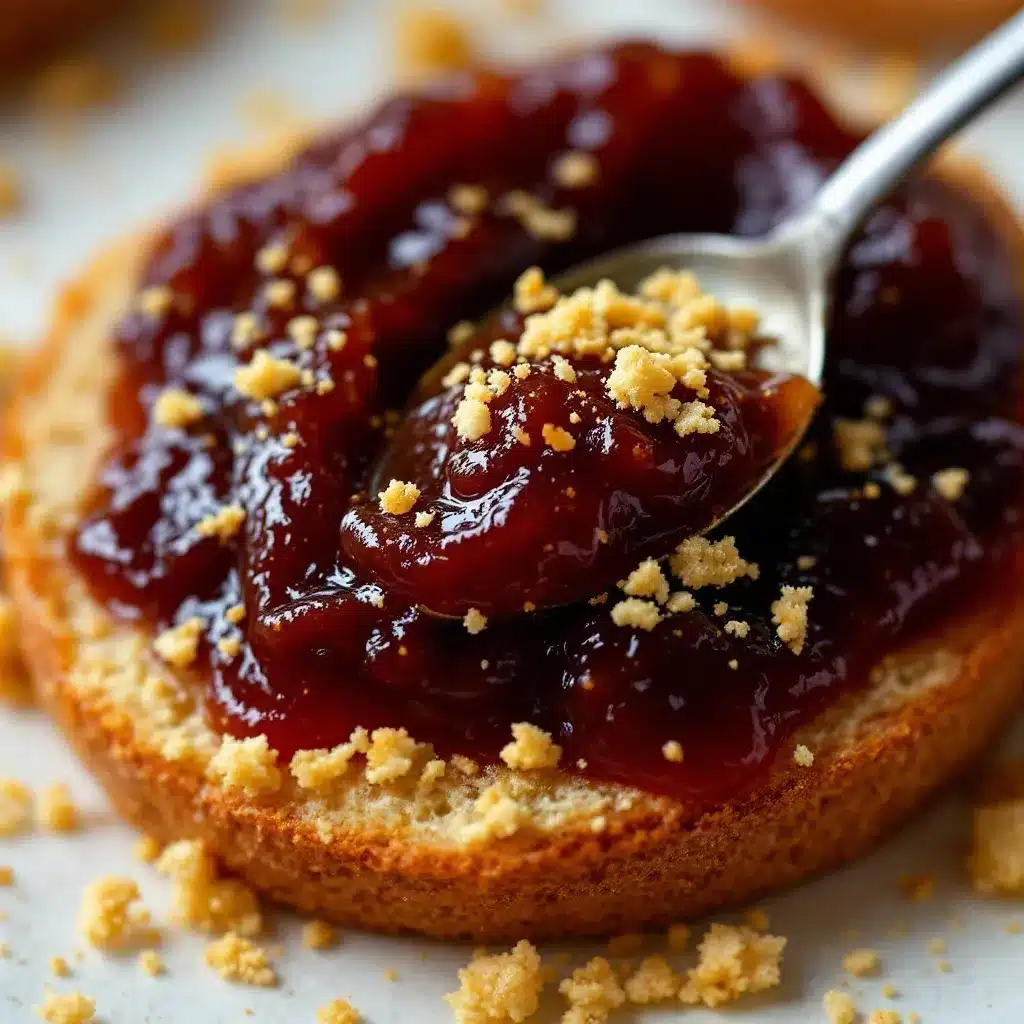
- Monitor the consistency (15-20 minutes): As the jam cooks, you will notice it thickening. The figs will break down into jammy pieces. After about 15 minutes of simmering, start checking the consistency. Dip a cold spoon into the jam—if it coats the back of the spoon and holds its shape when you run your finger through it, it is done.
- Remove the vanilla pod (1 minute): Fish out the vanilla bean pod with tongs or a fork. Rinse it off, let it dry, and you can reuse it in sugar or vanilla extract. Waste not, want not.
- Cool and jar (10 minutes): Remove the pot from heat. Let the jam cool for 5 to 10 minutes. It will continue to thicken as it cools. Ladle into your sterilized jars, leaving about 1/4 inch of headspace. Wipe the rims clean, screw on the lids, and let them cool completely at room temperature.
A few sensory cues to watch for: when the jam is ready, it should look glossy and dark, almost jewel-like. The aroma will be intensely figgy with warm vanilla notes. If you taste a spoonful, it should be sweet but balanced by the lemon. If it tastes flat, add another squeeze of lemon juice.
One personal tip: I always make a small test batch first when I get a new batch of figs. Fig sweetness varies wildly, and adjusting the sugar or lemon at the start saves you from a disappointing final product.
Cooking Tips & Techniques
After making this jam more times than I can count, I have collected a few hard-won lessons. Let me save you some trouble.
Do not walk away from the pot. I learned this the hard way when I answered the phone and came back to jam that had turned into fig brittle. Jam goes from perfect to scorched very quickly. Set a timer and stay nearby.
Use a plate test for doneness. Place a small plate in the freezer before you start cooking. When you think your jam is ready, drop a small spoonful onto the cold plate. Let it sit for 30 seconds, then push it with your finger. If it wrinkles and holds its shape, it is done. If it runs, keep cooking for another 3 to 5 minutes and test again.
Temperature matters. Your jam is ready when it reaches 220°F (104°C) on a candy thermometer. This is the setting point for jam. But I find the plate test more reliable because altitude affects boiling points.
Skim the foam. As your jam cooks, a frothy foam will rise to the surface. This is just air bubbles and impurities. Skim it off with a spoon for a clearer, more beautiful jam. I usually do this about 10 minutes into cooking.
Let it rest before jarring. I know it is tempting to fill your jars immediately, but letting the jam cool slightly helps it distribute more evenly and prevents condensation from forming inside the jars. Five to ten minutes is perfect.
One more thing: if your jam turns out too thick, do not panic. Stir in a tablespoon of warm water at a time until it loosens up. If it is too thin, return it to the heat and cook for another 5 minutes. Jam is forgiving—just stay patient.
Variations & Adaptations
This recipe is wonderful as written, but it also loves to be played with. Here are some variations I have tried and loved:
Spiced Fig Jam: Add 1 cinnamon stick and 2 star anise pods to the pot while the jam cooks. Remove them before jarring. The warm spices complement the figs beautifully, especially in fall.
Honey-Sweetened Fig Jam: Replace the granulated sugar with 3/4 cup (255 grams) of honey. Reduce the water to 1 tablespoon. The flavor will be more complex, and the jam will have a slightly softer set. This is my go-to version for holiday gifting.
Balsamic Fig Jam: Add 2 tablespoons of good balsamic vinegar along with the lemon juice. The acidity and sweetness of the balsamic deepen the fig flavor in a way that is absolutely addictive on a cheese board. I discovered this combination by accident when I ran out of lemon juice once.
Low-Sugar Version: Use 1/2 cup (100 grams) of sugar and add 1 tablespoon of calcium water and 1 teaspoon of Pomona’s pectin. Follow the pectin package instructions for best results. The jam will be less sweet but still delicious.
Rosemary Fig Jam: Add 1 sprig of fresh rosemary to the pot while cooking. Remove it before jarring. The herbal notes cut through the sweetness and make this jam incredible with roasted meats.
Each variation creates a slightly different jam, but the vanilla bean remains the constant. It is the thread that ties everything together.
Serving & Storage Suggestions
This jam is incredibly versatile. Here is how I use it:
On toast or biscuits: Spread it generously on warm buttered toast, English muffins, or fresh scones. The vanilla fig flavor is breakfast perfection.
On a cheese board: Pair it with sharp cheddar, creamy brie, or aged manchego. The sweetness of the jam balances the saltiness of the cheese beautifully. Add some crackers and sliced apples, and you have an instant appetizer.
With yogurt or oatmeal: Swirl a spoonful into plain Greek yogurt or warm oatmeal for a quick, luxurious breakfast. The vanilla specks make it feel fancy.
As a glaze: Brush it over roasted pork, chicken, or duck during the last 10 minutes of cooking. The fig jam caramelizes and creates a gorgeous, flavorful crust.
Storage: Store unopened jars in a cool, dark place for up to 6 months. Once opened, keep the jam in the refrigerator and use it within 3 weeks. I have never had a jar last that long, honestly.
Freezing: This jam freezes beautifully. Pour it into freezer-safe containers, leaving 1/2 inch of headspace, and freeze for up to 12 months. Thaw in the refrigerator overnight before using.
A note on flavor development: This jam actually tastes better after a day or two. The flavors meld and deepen, and the vanilla becomes more pronounced. So if you can resist eating it immediately, you will be rewarded.
Nutritional Information & Benefits
Per 1-tablespoon serving (approximately 15 grams):
- Calories: 45
- Total Fat: 0g
- Sodium: 0mg
- Total Carbohydrates: 11g
- Dietary Fiber: 1g
- Sugars: 10g
- Protein: 0g
Figs are a wonderful source of dietary fiber, which supports digestive health and helps you feel full longer. They also contain potassium, calcium, and magnesium—minerals that support bone health and muscle function. The vanilla bean adds antioxidants, including vanillin, which has been studied for its anti-inflammatory properties.
This jam is naturally vegan, gluten-free, and dairy-free. If you use the low-sugar version, it fits into a lower-carb lifestyle. The only potential allergen is the figs themselves, which are not a common allergen but can cause reactions in some people.
I love that this jam lets me enjoy the goodness of figs year-round. It is a small way to preserve summer and bring a little sweetness to cold winter mornings.
Conclusion
This homemade small-batch fig jam with vanilla bean is more than a recipe—it is a little jar of joy. It captures the essence of ripe figs and warm vanilla in a way that feels both nostalgic and new. Whether you spread it on toast, gift it to friends, or keep it all for yourself (no judgment here), it is guaranteed to make your kitchen smell amazing and your taste buds happy.
I encourage you to make this jam your own. Try the rosemary version if you are feeling adventurous. Stick with the original if you want something classic. Add a little extra lemon if you like things tangy. The beauty of small-batch cooking is that every jar is a reflection of your taste and your moment.
If you make this jam, I would love to hear about it. Drop a comment below and tell me which variation you tried, what you served it with, or how many jars you gave away. And if you have a fig tree in your yard, I am officially jealous. Happy jam-making, friend.
Frequently Asked Questions
Can I use dried figs instead of fresh?
You can, but the result will be different. Dried figs are much denser and sweeter. Rehydrate them in hot water for 30 minutes before using, and reduce the sugar to 1/2 cup. The texture will be more like a compote than a traditional jam.
How do I know when my jam is set?
Use the plate test I mentioned earlier. Place a small plate in the freezer, drop a spoonful of jam on it, wait 30 seconds, and push it with your finger. If it wrinkles, it is ready. A candy thermometer reading of 220°F (104°C) also works.
Can I double this recipe?
Absolutely. Double all the ingredients and use a larger pot. The cooking time will increase by about 10 to 15 minutes because there is more liquid to reduce. Keep a close eye on it and use the plate test to determine doneness.
Why did my jam turn out too runny?
This usually means it did not cook long enough. Return it to the heat and simmer for another 5 to 10 minutes. If it is still runny after that, you may have used overripe figs, which have more water content. Next time, try cooking the figs down a bit before adding the sugar.
Can I use vanilla extract instead of a vanilla bean?
You can, but I do not recommend it. Vanilla extract contains alcohol, which evaporates during cooking and takes most of the vanilla flavor with it. You would need to add it at the very end, off the heat, and even then, the flavor will not be as deep or complex as a whole vanilla bean.
Pin This Recipe!
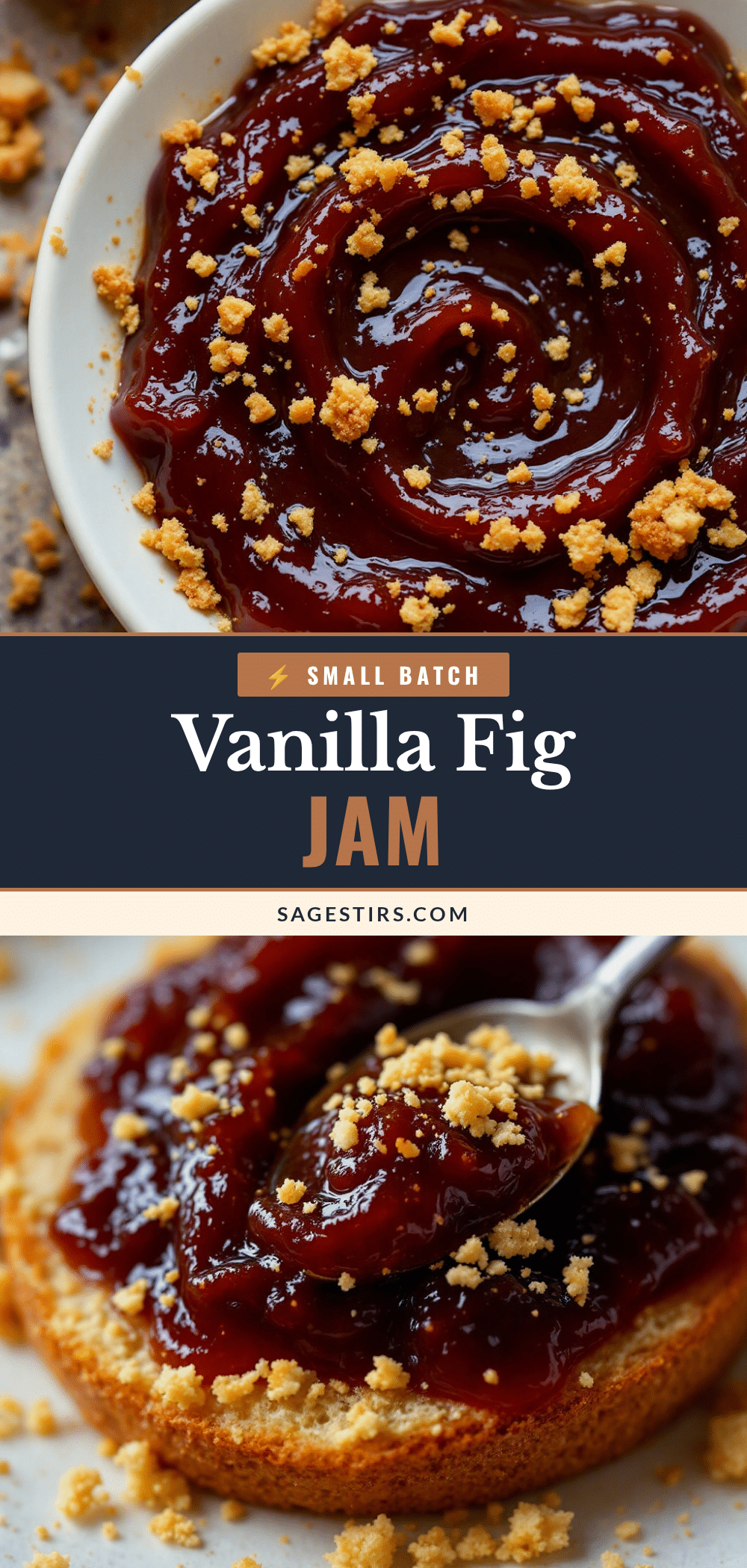
Homemade Small-Batch Fig Jam with Vanilla Bean
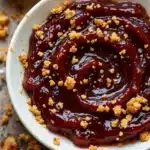
This homemade small-batch fig jam with vanilla bean is the result of obsession—a perfect balance of sweet figs and warm, floral vanilla. It’s quick, easy, and makes an unforgettable gift or a luxurious addition to cheese boards and toast.
- Prep Time: 20 minutes
- Cook Time: 30 minutes
- Total Time: 50 minutes
- Yield: 2 cups (approximately 16 servings of 2 tablespoons each) 1x
- Category: Condiment
- Cuisine: French-inspired
Ingredients
- 2 pounds fresh figs (about 900 grams), ripe but firm (Black Mission, Brown Turkey, or Kadota)
- 1 cup granulated sugar (200 grams)
- 2 tablespoons fresh lemon juice (30 ml)
- 1 whole vanilla bean (Madagascar or Tahitian recommended)
- 2 tablespoons water (30 ml)
Instructions
- Prepare the figs: Rinse figs gently under cool water, pat dry, trim off tough stem ends, and cut each fig into quarters (or sixths if large).
- Prepare the vanilla bean: Lay the vanilla bean flat, split it lengthwise with a small sharp knife, and scrape out the tiny black seeds. Reserve both seeds and pod.
- Combine ingredients: In a heavy-bottomed pot or Dutch oven, add the quartered figs, sugar, lemon juice, vanilla bean seeds, scraped vanilla pod, and water. Stir gently until figs are evenly coated with sugar.
- Maceration: Let the mixture sit at room temperature for 15-20 minutes to allow the sugar to draw out natural juices from the figs.
- Begin cooking: Place the pot over medium heat and stir occasionally until it comes to a gentle boil. Reduce heat to medium-low and maintain a steady simmer. Stir every 3-4 minutes to prevent sticking.
- Monitor consistency: After about 15 minutes of simmering, start checking consistency. The jam is ready when it coats the back of a spoon and holds its shape when you run your finger through it, or when it reaches 220°F (104°C) on a candy thermometer.
- Remove the vanilla pod: Use tongs or a fork to fish out the vanilla bean pod. Rinse and dry it for reuse.
- Cool and jar: Remove the pot from heat and let the jam cool for 5-10 minutes. Ladle into sterilized glass jars, leaving about 1/4 inch of headspace. Wipe rims clean, screw on lids, and let cool completely at room temperature.
Notes
Do not walk away from the pot—jam can scorch quickly. Use the plate test for doneness: place a small plate in the freezer, drop a spoonful of jam on it, wait 30 seconds, and push with your finger; if it wrinkles, it’s done. Skim foam that rises during cooking for a clearer jam. Let jam rest 5-10 minutes before jarring to prevent condensation. If jam is too thick, stir in warm water 1 tablespoon at a time; if too thin, return to heat and cook 5 more minutes. This jam tastes better after a day or two as flavors meld.
Nutrition
- Serving Size: 2 tablespoons (30 gr
- Calories: 90
- Sugar: 20
- Carbohydrates: 22
- Fiber: 2
Keywords: fig jam, vanilla bean jam, small-batch jam, homemade jam, fig preserve, vanilla fig jam, easy jam recipe, gift jam